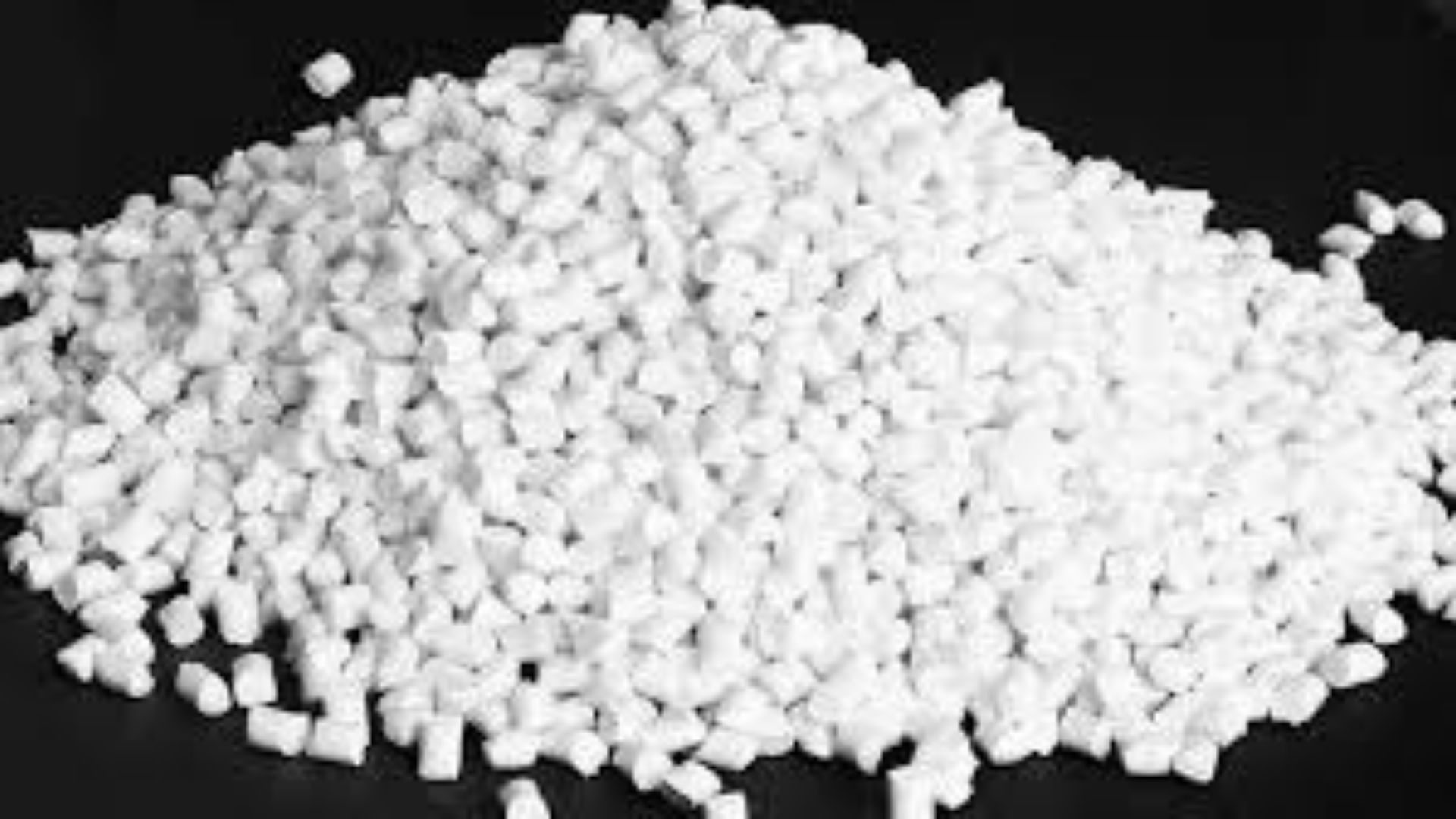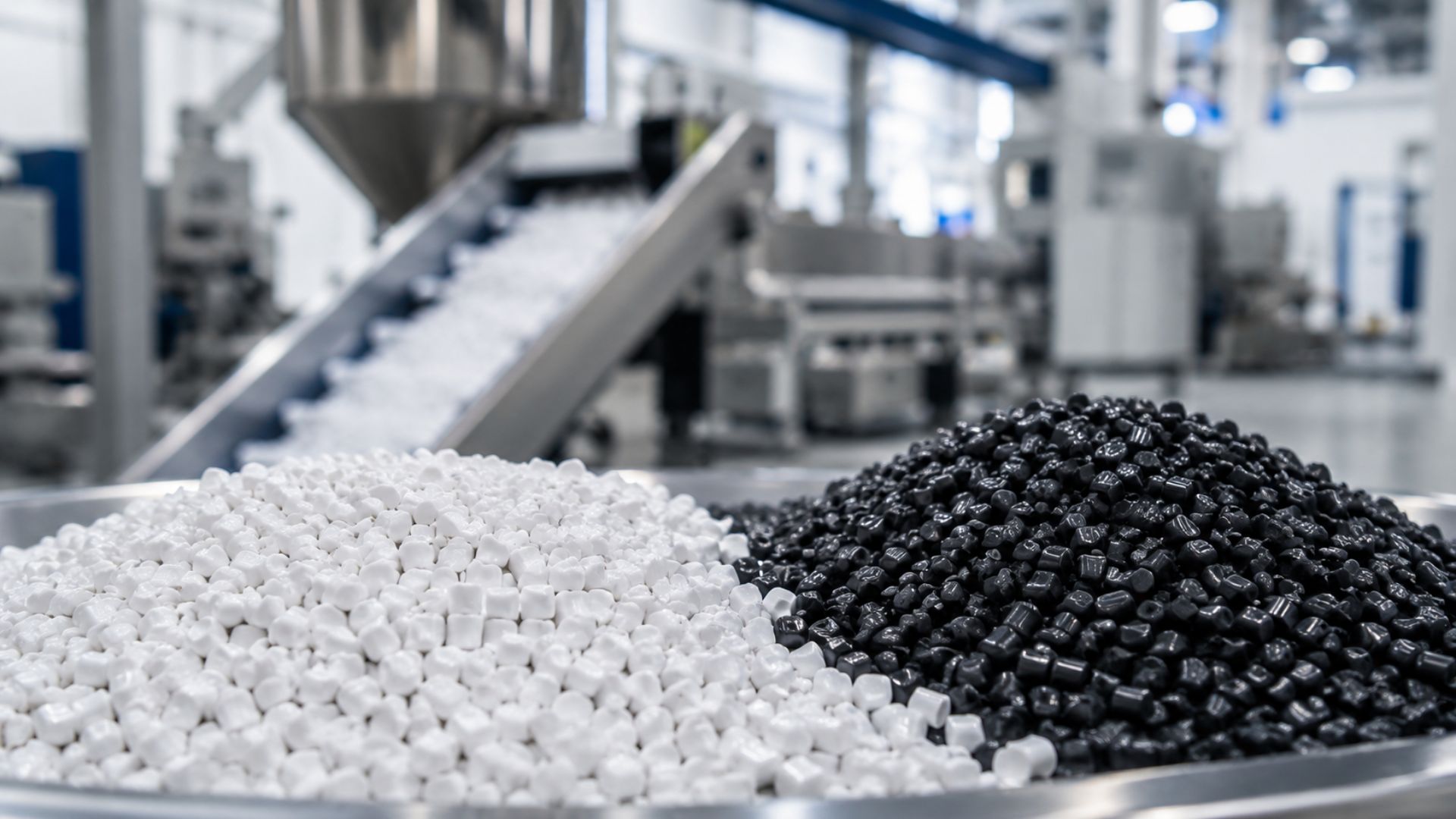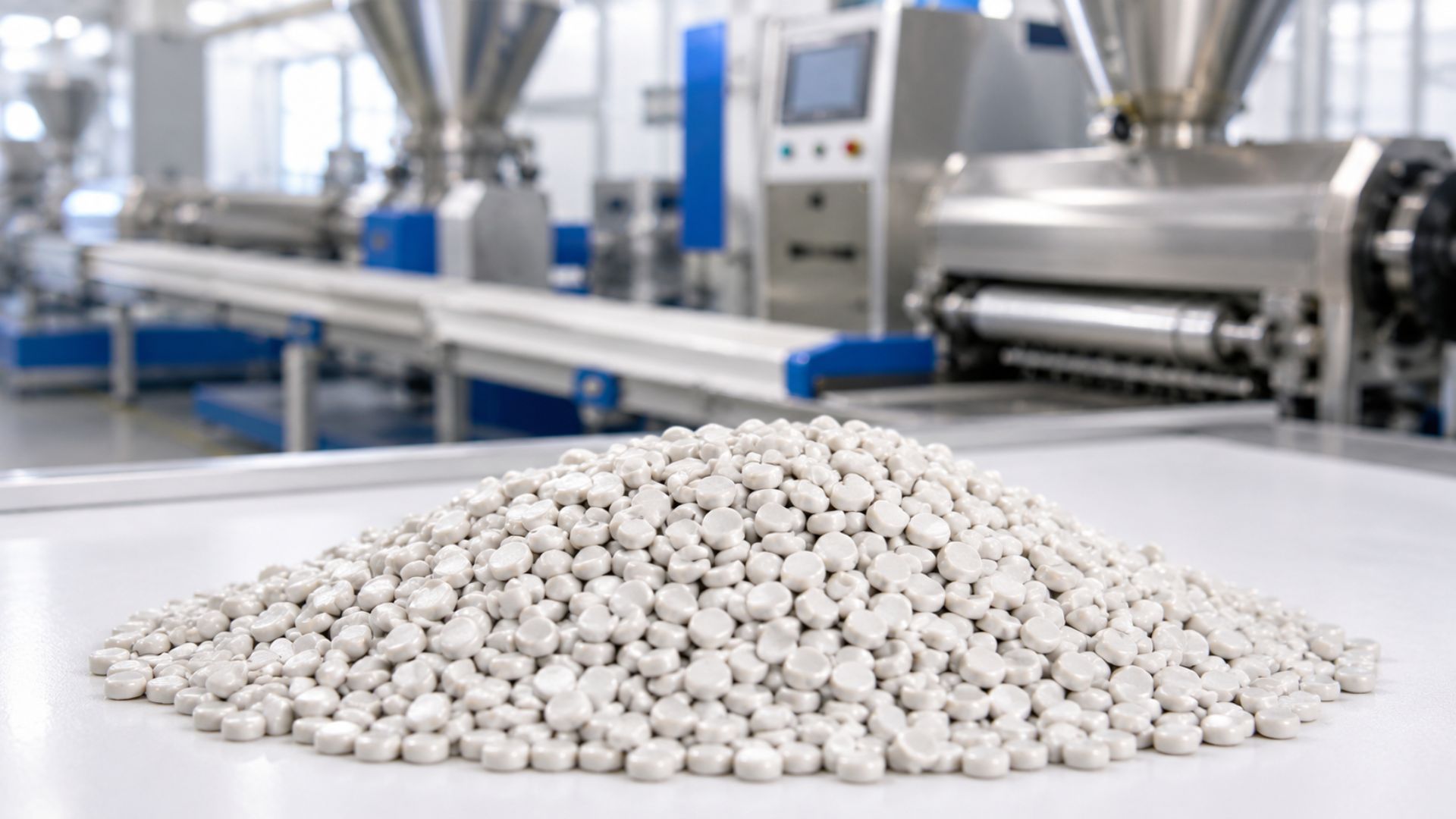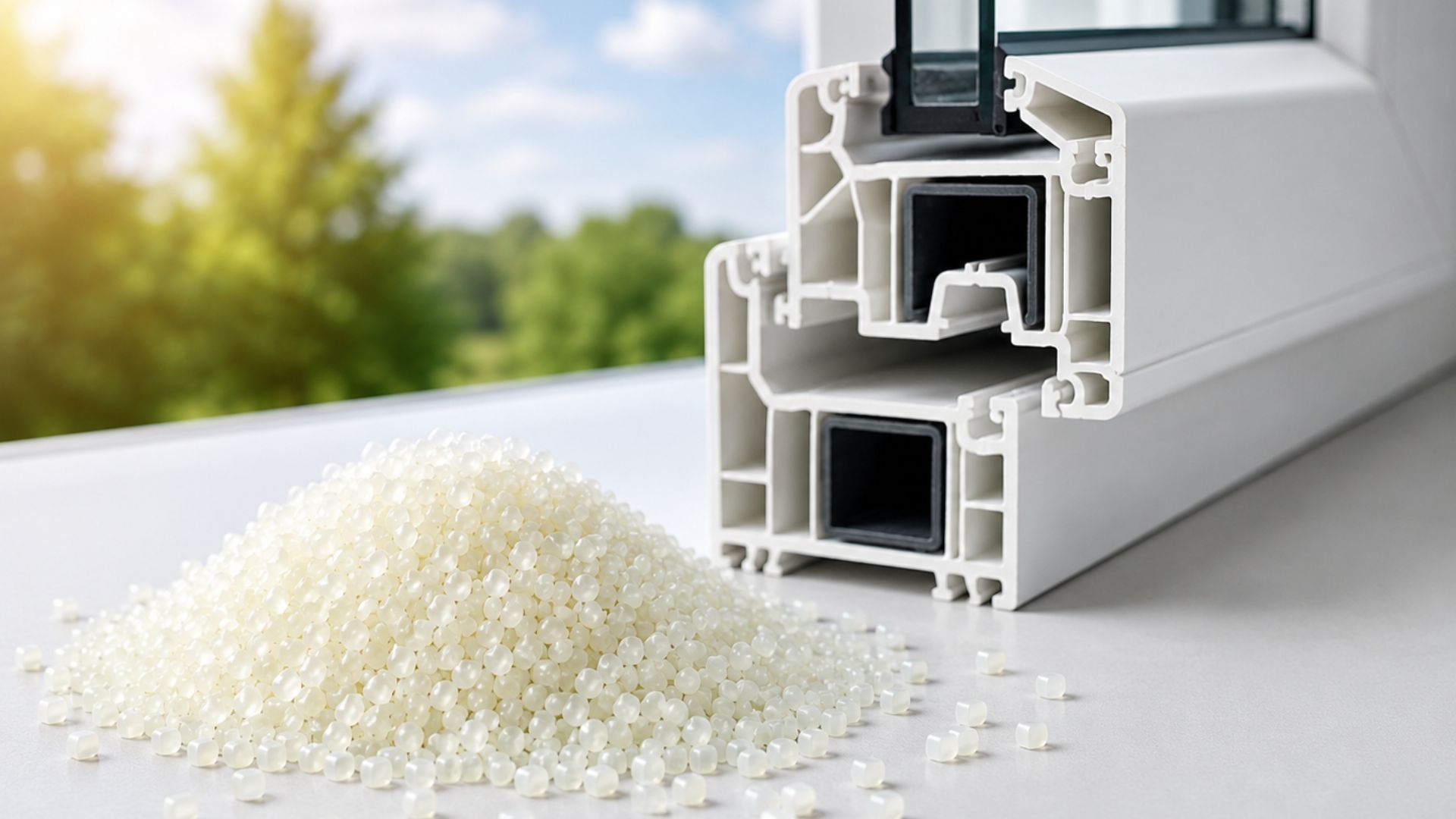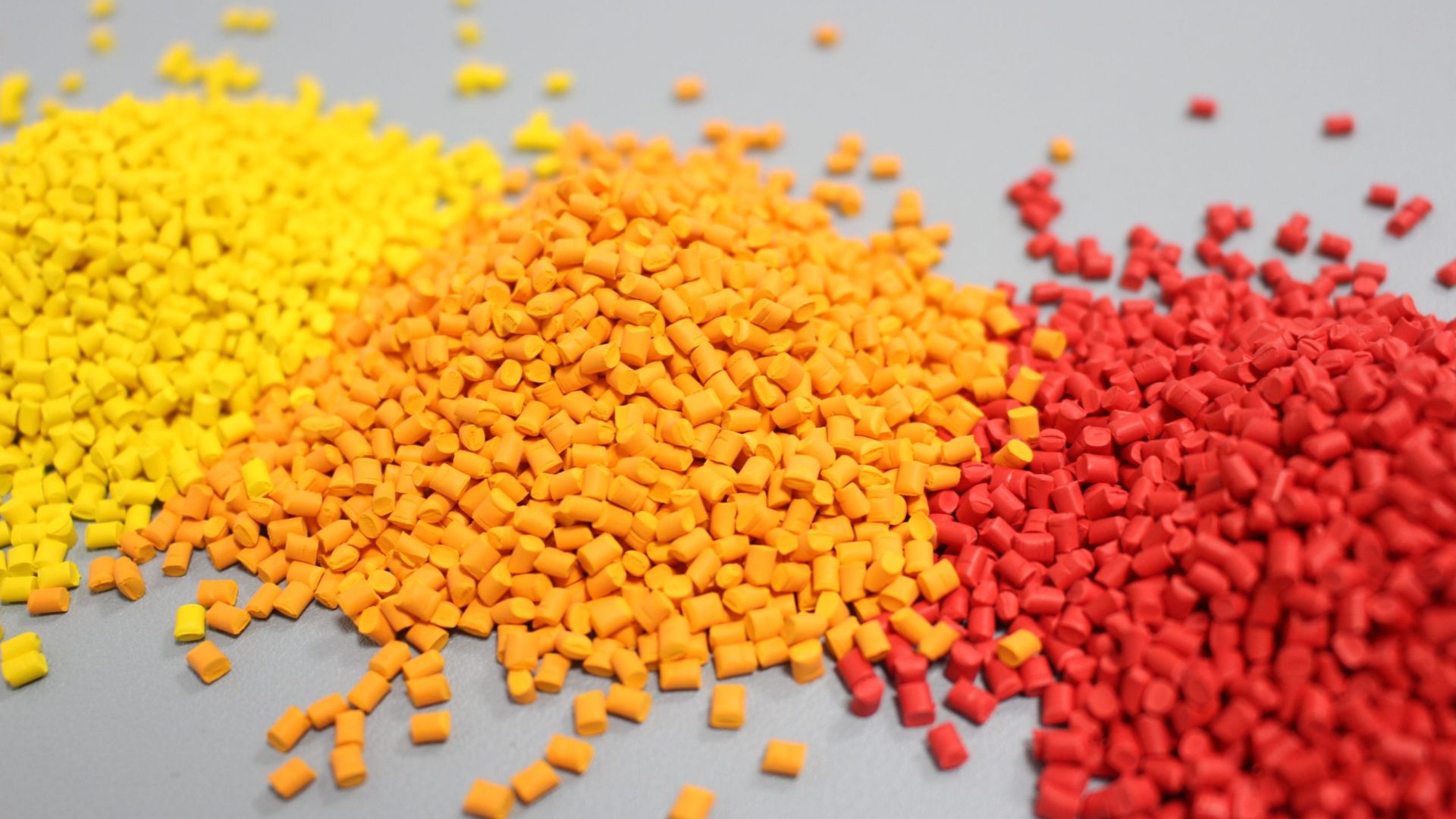
Static electricity is often seen as a minor problem in plastics processing, but its effects can range from handling problems to product contamination, electronic component damage, and ignition hazards. Plastic films may cling together or resist separation. Dust may accumulate on molded parts and packaging. Pellets, powders, and finished articles may be charged during conveying, winding, filling, or transport. In sensitive environments, a discharge can damage electronics or ignite a flammable atmosphere.
Antistatic additives are one method of controlling these risks, but they are not a universal solution. Their effectiveness depends on polymer chemistry, additive type, concentration, processing history, surface condition, humidity, temperature, product geometry, and grounding. A technically sound formulation, therefore, begins with a clear definition of the electrostatic problem and a realistic performance target. Discover more expert insights on antistatic additives and plastic processing by CVN PLASTICS blog.
What Static Electricity Actually Is
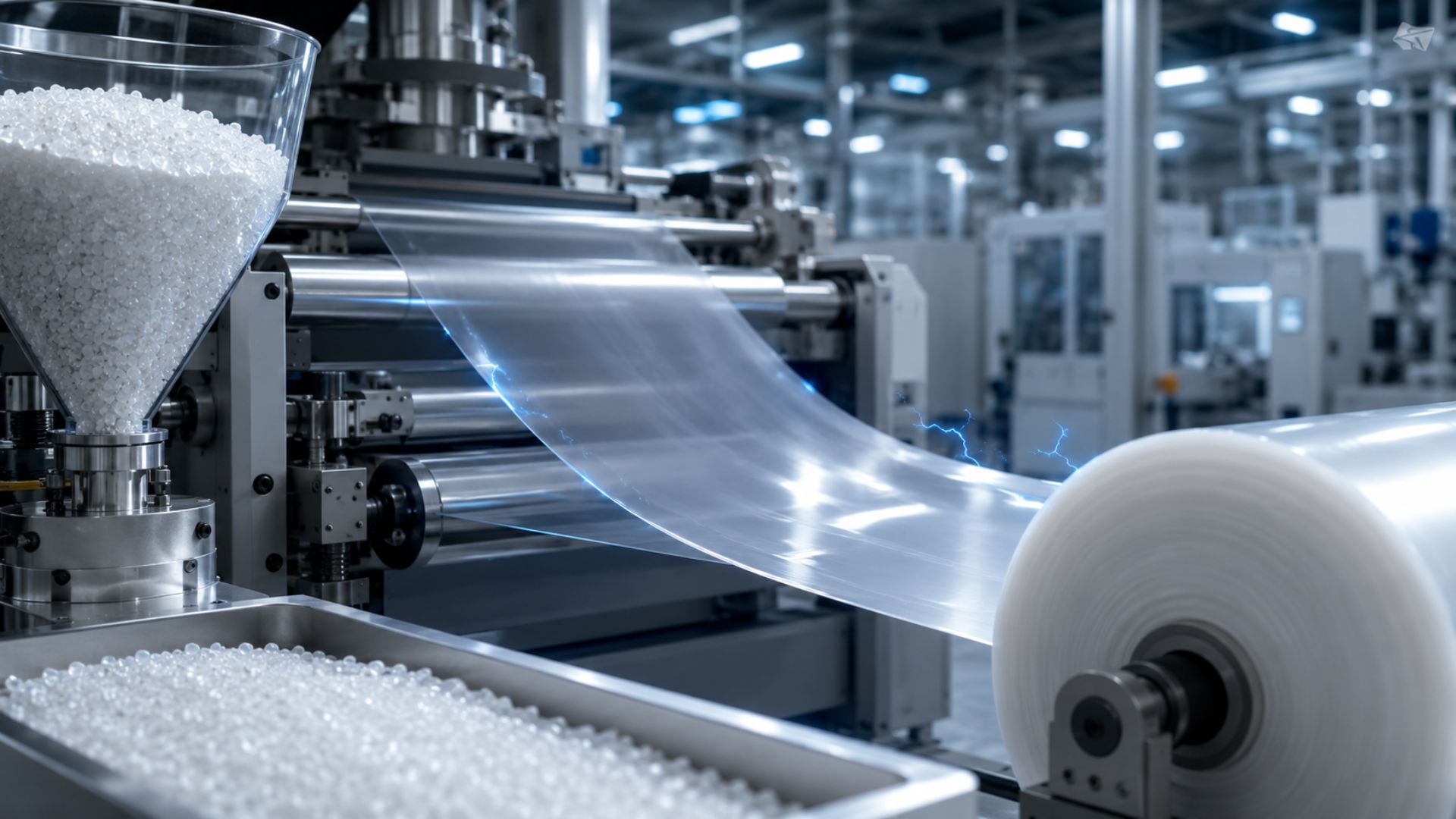
Static electricity is not a current that continuously flows through a material. It is an imbalance of electrical charge that accumulates on a surface or within an insulating body. A brief current may occur when that charge discharges, but the stored charge itself is the electrostatic condition.
In plastics, charging commonly occurs through contact and separation. When two materials touch and then separate, electrons or ions may transfer between their surfaces. This is often called triboelectric charging. Friction can intensify the effect by increasing the number and area of contacts, but it is not strictly required. Film unwinding, resin pellets moving through conveying lines, a molded part sliding across a conveyor, or a person removing plastic packaging can all generate a charge.
Most commodity polymers have very high electrical resistance. Once a charge is created, it cannot readily move through the material and dissipate. It remains localized until it slowly leaks away or discharges to another object. The resulting voltage can be high even when the stored energy is relatively low.
Why Static Charge Matters In Plastic Products
In film converting and packaging, charged surfaces can cling, repel, misalign, or attract trimming waste. These effects interfere with feeding, stacking, sealing, printing, and high-speed filling. Static charge can also attract dust and airborne particles; it does not attract “dryness,” as is sometimes incorrectly stated.
In molded automotive, appliance, and consumer parts, dust attraction can create visible defects. In electronics packaging, a discharge too small for a person to feel may still damage a sensitive device. In powder handling and bulk packaging, an energetic discharge may become an ignition source if a flammable gas, vapour, or dust atmosphere is present.
These are different risk categories. A formulation that reduces dust attraction in a consumer product is not automatically suitable for semiconductor protection or hazardous-area use.
How Antistatic Additives Work
Antistatic additives increase the rate at which charge dissipates or reduce the amount of charge generated. Different additive families achieve this through different mechanisms.
Migrating internal antistatic additives
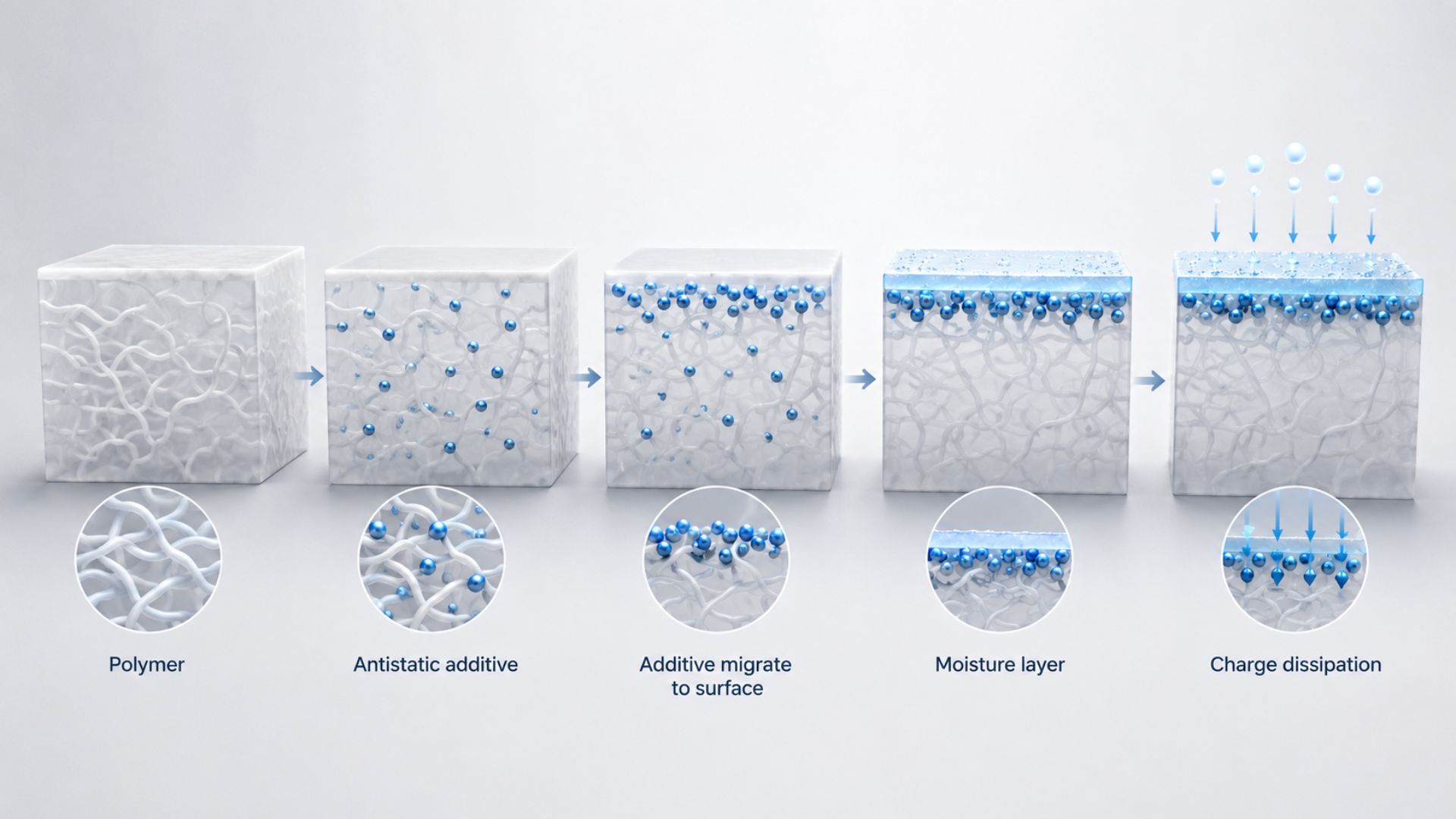
Traditional internal antistatic additives are blended into the polymer before extrusion or molding. Many contain both a polymer-compatible segment and a polar, hydrophilic segment. After processing, part of the additive migrates toward the surface.
At the surface, polar groups interact with atmospheric moisture and other polar species. The resulting layer lowers surface resistance and provides a path through which charge can spread and dissipate. The charge does not disappear because water and additive molecules “meet”; the surface becomes conductive enough for charge to move away from highly charged regions.
Common chemistries include ethoxylated amines, fatty acid esters, glycerol esters, amides, quaternary ammonium compounds, and other surfactant-like materials. Their suitability depends on the polymer, processing temperature, food-contact requirements, and optical or surface-performance targets.
Migrating antistatic additives are often economical for short- to medium-term control. However, they may require an induction period before full performance develops. Their effect can also change after washing, wiping, printing, corona treatment, lamination, or long-term storage.
External antistatic treatments
External treatments are applied to a finished surface by coating, spraying, dipping, or another post-processing method. They can provide rapid performance and may be useful when the active substance cannot tolerate the polymer’s processing temperature.
An external coating is not an antistatic masterbatch. A masterbatch is a concentrated preparation incorporated into the polymer melt, while a coating is applied after the article is formed. The two approaches differ in durability, migration behaviour, process control, and regulatory assessment.
Surface treatments can be removed by abrasion, washing, solvents, handling, or environmental exposure. Their use therefore, requires a durability study that reflects the product lifecycle.
Permanent antistatic and conductive systems
Applications requiring long-term performance, lower resistance, or reduced humidity dependence may use permanent antistatic additives, inherently dissipative polymers, or conductive fillers. These systems form a continuous or semi-continuous conductive network rather than relying mainly on surface migration and moisture absorption.
Examples include polymeric antistatic agents, inherently dissipative polymers, conductive carbon black, carbon nanotubes, metallic fibres, and other conductive fillers. They can provide more stable electrical properties but may affect colour, transparency, mechanical properties, rheology, surface finish, recyclability, and cost.
“Permanent” should be used carefully. It generally means the function is less dependent on migration and is retained longer; it does not mean performance is unaffected by aging, contamination, mechanical damage, or disruption of the conductive network.
The Role Of Humidity In Antistatic Performance
Humidity influences both charge generation and charge dissipation. At low relative humidity, many plastic surfaces retain charge longer because fewer water molecules are available to support surface conduction. Research on polymer granulates has shown substantially greater charging under dry conditions than at high humidity, although the transition depends on the materials involved.
Migrating antistatic additives that depend on moisture are therefore usually less effective in dry environments. A formulation may offer improved low-humidity performance, but claiming that a conventional migrating antistat works equally well at every humidity level is not meaningful without test data.
A credible claim should identify the polymer, additive concentration, specimen thickness, processing conditions, temperature, relative humidity, conditioning time, measurement method, electrical result, specimen age, and any washing, printing, or surface treatment.
Testing only at standard laboratory humidity can conceal poor performance in cleanrooms, air-conditioned factories, winter climates, or desert regions. Antistatic additives should therefore be qualified at the lowest realistic humidity.
Masterbatch Formulation And Polymer Compatibility
An antistatic masterbatch is more than an active chemical diluted in a carrier resin. The carrier, active concentration, dispersion, thermal stability, and interaction with the base polymer all influence performance.
Polymer type and morphology
Antistatic additives designed for polyethylene may not produce the same migration rate or surface concentration in polypropylene, polystyrene, PET, polyamide, ABS, or polycarbonate. Crystallinity, polarity, free volume, processing temperature, and additive solubility determine how quickly the active component moves and whether it remains uniformly distributed.
Too much compatibility may trap the additive in the bulk. Too little compatibility may cause excessive blooming, deposits, or loss of mechanical and optical properties. The optimum formulation balances controlled migration with acceptable surface quality.
Effects on processing and finished properties
Antistatic additives can interact with slip agents, antiblock agents, pigments, fillers, stabilizers, flame retardants, and processing aids. In film, surface migration may change friction, winding, printability, lamination strength, and sealing. In transparent products, incompatibility may increase haze. In molding, deposits may appear on the mold or finished surface.
For polycarbonate and other engineering polymers, the issue is not accurately described simply as “corrosion of PC.” Potential failure modes include stress cracking, molecular-weight reduction, colour change, loss of transparency, surface attack, or corrosion of nearby contacts caused by volatile or ionic species. Compatibility must be demonstrated with the actual resin grade, processing temperature, residual stress, and end-use environment.
Measuring Antistatic Performance Correctly
Electrical data are meaningful only when the test method and conditioning history are known.
Surface resistance, surface resistivity, and volume resistivity
Surface resistance measures resistance between defined electrodes on a material surface. Surface resistivity is a calculated property based on electrode geometry. Volume resistivity describes resistance through the bulk. These terms should not be used interchangeably, and “ohms per square” should not automatically be assigned to every surface measurement.
ASTM D257 covers direct-current methods for insulation resistance, surface resistance, volume resistance, and calculated resistivity of insulating materials. For ESD-control packaging, industry-specific methods may be more appropriate. ANSI/ESD STM11.11 is used for surface resistance measurements of planar packaging materials, while IEC 61340-5-3 defines properties and requirements for packaging intended to protect ESD-sensitive devices.
Results obtained using different electrodes, voltages, conditioning periods, or standards may not be directly comparable. A datasheet value without a test method is insufficient for qualification.
Charge generation
Resistance does not describe every electrostatic behaviour. Two materials with similar resistance may charge differently when separated from another surface. Some applications therefore require measurements of charge generation, electric field, decay time, shielding performance, or discharge energy.
The test should reproduce the dominant mechanism in use. Film unwinding, pellet conveying, bag filling, cleanroom handling, and electronics transport expose plastics to different contact materials and charging rates. Qualification should use the finished article where possible, not only a molded test plaque.
Application-Specific Use Of Antistatic Additives

Food and Consumer packaging
In food packaging, antistatic additives may be used to improve handling, reduce dust attraction, and support more reliable filling or sealing. Electrical performance must be assessed together with migration, organoleptic effects, optical properties, sealing, printing, and shelf life.
“FDA compliant” or “EU compliant” is not a complete technical statement. In the United States, 21 CFR 178.3130 identifies specific antistatic and antifogging substances and places conditions on their use, including polymer type, concentration, food type, film thickness, and conditions of use for some entries. It also requires that the quantity used not exceed the amount reasonably required to achieve the intended technical effect.
In the European Union, food-contact plastics fall under the general safety framework of Regulation (EC) No 1935/2004, the good manufacturing practice requirements of Regulation (EC) No 2023/2006, and the plastics-specific rules in Regulation (EU) No 10/2011, as amended, including by Regulation (EU) 2025/351. Compliance may involve authorization status, migration limits, purity requirements, declarations of compliance, supporting documentation, and testing under intended conditions of use.
Compliance of an additive or masterbatch does not automatically establish compliance of the final package. The converter remains responsible for the complete formulation and finished article under foreseeable use conditions.
Electronics packaging
Electronics packaging must protect components that may be damaged by discharges below human perception. Required functions may include low charging, charge dissipation, grounding, or discharge shielding; these functions are not identical.
IEC 61340-5-1:2024 sets requirements for an ESD control program, while IEC 61340-5-3:2022 defines protective packaging properties and performance requirements for ESD-sensitive devices throughout production, transport, storage, rework, and maintenance. A general-purpose antistatic additive should not be presented as an electronics-protection solution unless the finished packaging has been tested against the relevant requirement.
FIBC and hazardous atmospheres
Flexible intermediate bulk containers require particular caution. IEC 61340-4-4:2018 covers electrostatic classification, labelling, and test methods for FIBC intended for use where explosive atmospheres may be created by the contents or exist outside the container.
Adding an antistatic masterbatch to woven polypropylene does not establish that an FIBC is safe for a hazardous application. Safety depends on the complete bag construction, fabric, conductive or dissipative elements, liners, seams, labels, grounding arrangements, filling conditions, charge-generation rate, and ignition sensitivity of the atmosphere. Qualification must be conducted on the finished FIBC configuration.
A Practical Qualification Framework
A defensible selection process starts with the end-use failure mode rather than an additive name.
First, define the objective: reduced dust attraction, easier film separation, a target resistance range, faster charge decay, ESD-device protection, or ignition-risk control. Identify environmental extremes, including minimum humidity, maximum temperature, cleaning exposure, storage duration, and surface contamination.
Next, screen the formulation for polymer compatibility and processing stability. Evaluate electrical performance after realistic conditioning and at more than one humidity level. Test freshly produced and aged specimens. Where the surface may be printed, washed, laminated, or abraded, repeat measurements after those operations.
Finally, confirm non-electrical requirements, including mechanical strength, optical properties, friction, seal integrity, migration, odour, food-contact compliance, electronic compatibility, recyclability, and long-term appearance.
Conclusion
Antistatic additives can be highly effective, but their performance should not be reduced to the claim that they “remove static electricity.” They modify the electrical behaviour of a plastic surface or bulk material so that charge is generated less readily, spreads more evenly, or dissipates more quickly.
Migrating additives are practical for many packaging and consumer applications, yet they are influenced by humidity, migration rate, surface history, and competing additives. External coatings provide immediate action but may have limited durability. Permanent antistatic polymers and conductive fillers offer more stable performance but introduce different trade-offs.
The correct solution is determined by the risk, not by the product category alone. A dust-control application, an electronics package, and an FIBC used in an explosive atmosphere require different criteria and qualification methods. Expert formulation combines polymer science, electrostatic testing, process knowledge, and regulatory review, and validates the finished article under conditions that reflect actual use.