
Masterbatch in woven applications plays a vital role in enhancing product consistency, improving processing efficiency, and optimizing production costs. Manufacturers can achieve better control over both the performance and appearance of woven fabrics. From packaging bags to geotextiles and agricultural materials, masterbatch enables reliable and scalable production. Explore the full insights in the blog from CVN PLASTICS.
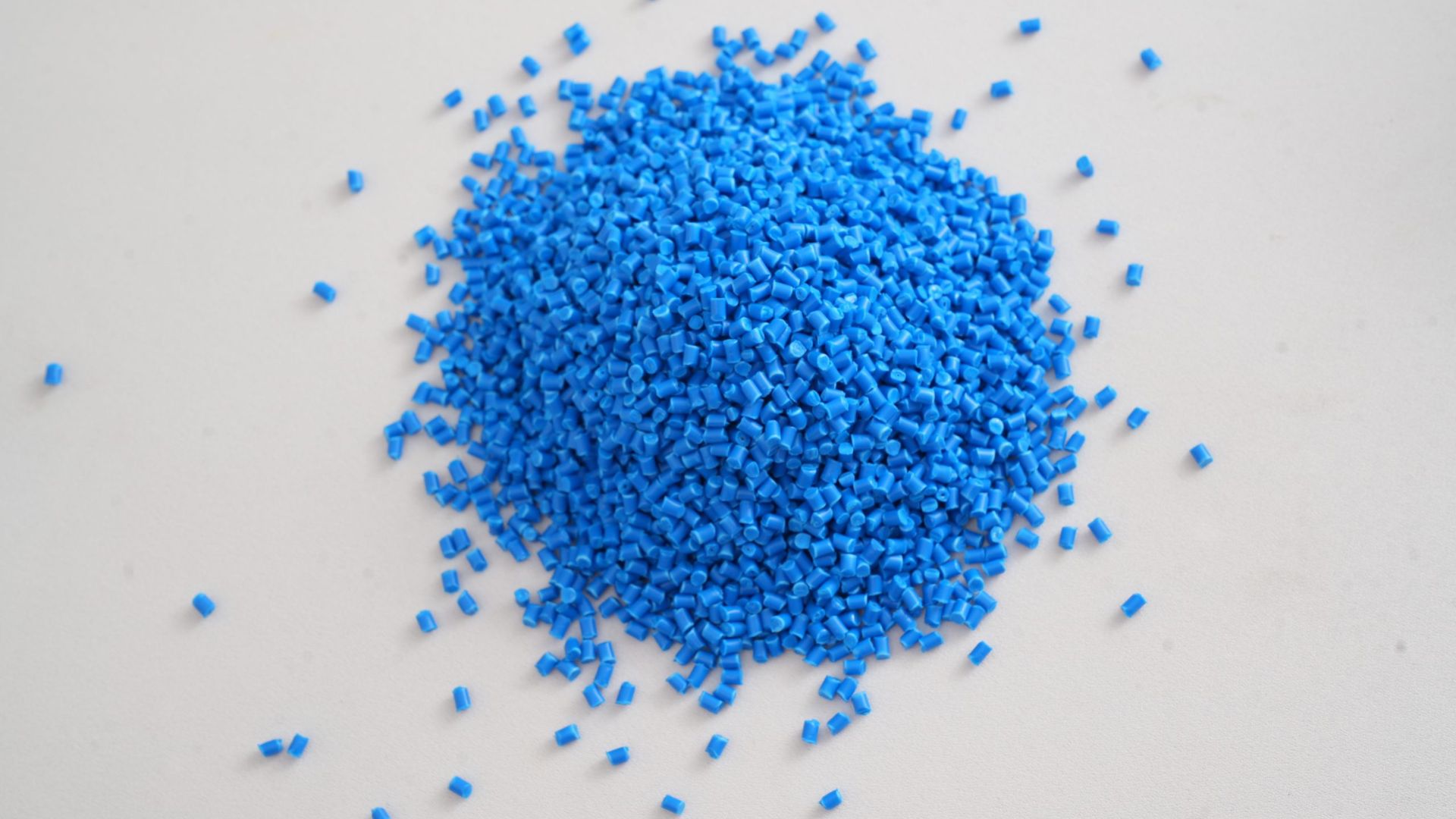
What Is Masterbatch In Woven Applications?
Masterbatch typically consists of three main components: active ingredients (such as pigments, calcium carbonate, or performance additives), a carrier resin that ensures compatibility with the base polymer, and dispersing agents that promote uniform distribution. This structure allows processors to introduce precise functionalities into the polymer matrix without handling multiple raw materials separately.
Types Of Masterbatch Used In Woven Applications
Masterbatch solutions used in woven applications can be broadly categorized based on their functional objectives, including coloration, cost optimization, and performance enhancement.
Color masterbatch for visual consistency
Color masterbatch is used to impart uniform coloration to woven fabrics. It ensures consistent shade, opacity, and UV stability, which are essential for applications such as packaging bags and agricultural fabrics. Proper dispersion of pigments prevents streaking and color variation during extrusion and weaving.
Filler masterbatch for cost optimization
Filler masterbatch, often based on calcium carbonate, is widely used to reduce raw material costs. By partially replacing virgin polymer, it lowers production expenses while maintaining acceptable mechanical properties. Additionally, it can improve dimensional stability and stiffness when properly formulated.
Additive masterbatch for functional enhancement
Additive masterbatch introduces specific functionalities such as UV resistance, anti-oxidation, anti-slip behavior, or flame retardancy. These enhancements are critical in applications exposed to harsh environmental conditions, such as geotextiles or outdoor woven products.
Key Benefits Of Using Masterbatch In Woven Fabrics
The use of masterbatch provides several technical and economic advantages in woven fabric manufacturing, particularly in improving consistency and processing efficiency.
Improved processability in extrusion and weaving
Masterbatch simplifies material handling by integrating multiple components into a single system. This leads to more stable extrusion, reduced machine contamination, and smoother tape production, which ultimately enhances weaving efficiency.
Enhanced mechanical strength and durability
When properly selected, masterbatch can contribute to improved tensile strength, impact resistance, and long-term durability. Additives such as stabilizers help protect the polymer structure from degradation caused by heat, oxidation, and UV exposure.
Cost efficiency and material optimization
Masterbatch allows manufacturers to optimize formulations by balancing performance and cost. Filler masterbatch reduces dependency on expensive virgin resins, while additive masterbatch minimizes the need for post-processing treatments.
Common Applications Of Masterbatch In Woven Products
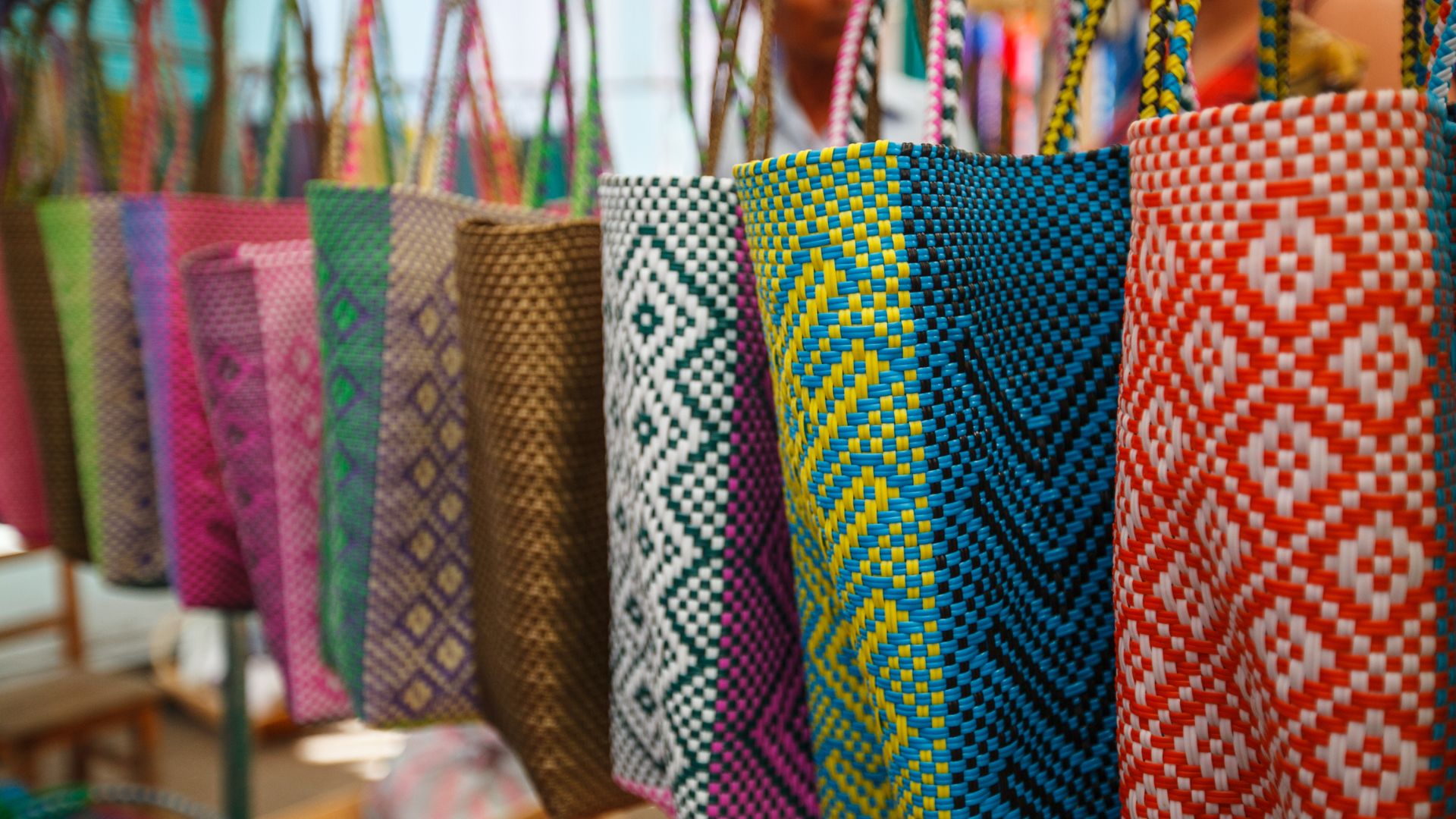
Masterbatch is widely used across various woven product segments, where performance, durability, and cost control are essential.
Woven bags and sacks
In packaging applications, masterbatch ensures consistent color, improved strength, and resistance to environmental factors. These properties are crucial for transporting bulk materials such as cement, grains, and chemicals.
Geotextiles and construction materials
Geotextiles require high mechanical strength and durability under extreme conditions. Additive masterbatch enhances resistance to UV radiation, moisture, and mechanical stress, ensuring long-term performance in infrastructure projects.
Agricultural Fabrics (Shade Nets, Ground Covers)
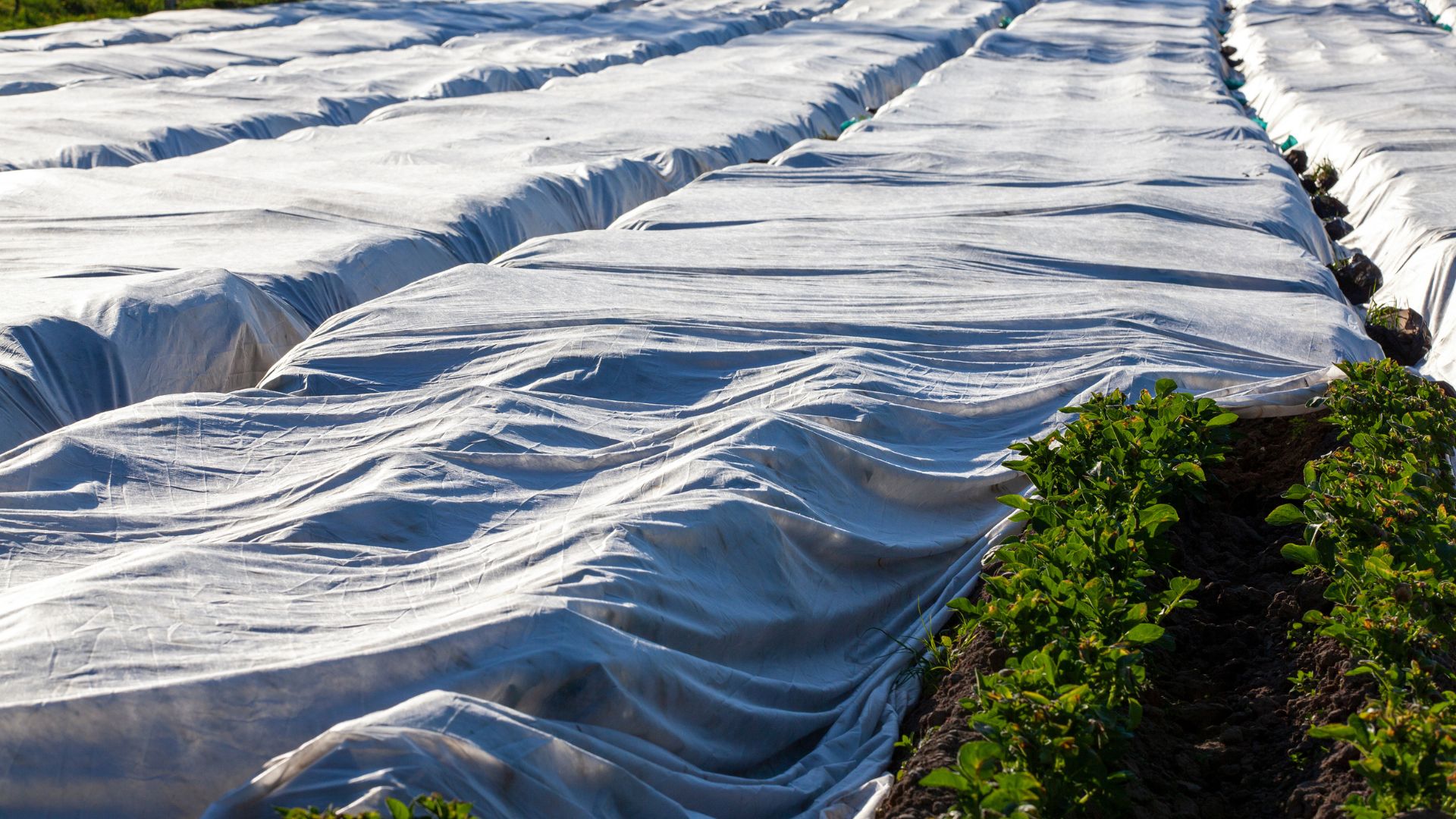
Agricultural woven fabrics benefit from UV stabilizers and color masterbatch, which improve crop protection and longevity. These materials must withstand prolonged exposure to sunlight and varying weather conditions.
Factors To Consider When Choosing Masterbatch For Woven Applications
Selecting the appropriate masterbatch formulation is essential to achieving optimal performance in woven fabric production.
Compatibility with base polymer (PP, HDPE)
The masterbatch must be compatible with the base polymer to ensure proper dispersion and stable processing. Incompatible systems can lead to defects such as poor surface finish or reduced mechanical strength.
Dispersion quality and loading ratio
High dispersion quality is critical to achieving uniform properties throughout the fabric. The loading ratio must be carefully controlled to balance performance, cost, and processability.
Impact on fabric strength and appearance
Masterbatch can influence both the mechanical and visual properties of woven fabrics. Excessive filler content, for example, may reduce tensile strength, while poor pigment dispersion can affect appearance.
Processing Considerations In Woven Fabric Production
Efficient processing is essential to fully realize the benefits of masterbatch in woven applications.
Extrusion and tape formation
During extrusion, masterbatch must melt and disperse uniformly within the polymer matrix. Stable processing conditions are required to produce consistent tapes with uniform thickness and strength.
Influence on weaving efficiency
Consistent tape quality directly impacts weaving performance. Properly formulated masterbatch reduces defects such as tape breakage, leading to higher productivity and lower downtime.
Temperature and melt flow control
The addition of masterbatch can affect melt flow properties. Process parameters, including temperature and screw speed, must be optimized to maintain stable flow behavior and prevent degradation.
Challenges And Solutions In Using Masterbatch For Woven Fabrics
Despite its advantages, the use of masterbatch presents certain technical challenges that must be carefully managed.
Poor dispersion issues
Inadequate dispersion can lead to defects such as uneven coloration or weak نقاط in the fabric. This can be mitigated by selecting high-quality masterbatch with effective dispersing agents and optimizing processing conditions.
Impact on tensile strength
Excessive use of filler masterbatch may reduce tensile strength and elongation. A balanced formulation and controlled loading levels are essential to maintain structural integrity.
Balancing cost and performance
Achieving the right balance between cost reduction and performance is a key challenge. Manufacturers must carefully evaluate formulation strategies to ensure that cost savings do not compromise product quality.
Future Trends Of Masterbatch In Woven Applications
Conclusion
Masterbatch plays a crucial role in modern woven fabric production by enabling precise control over material properties, improving processing efficiency, and optimizing cost structures. Through careful selection and formulation, it is possible to achieve a balance between performance, durability, and economic efficiency. As technological advancements continue, masterbatch will remain a key component in the development of high-quality and sustainable woven products.


