
In blow film extrusion manufacturing, the use of filler masterbatch for blow film has become increasingly important for enhancing product quality, reducing production costs, and improving environmental sustainability. This comprehensive guide of CVN PLASTICS explores the key benefits, diverse applications, and significant cost-saving advantages of incorporating filler masterbatch into the blow film extrusion manufacturing process.
What Is Filler Masterbatch?
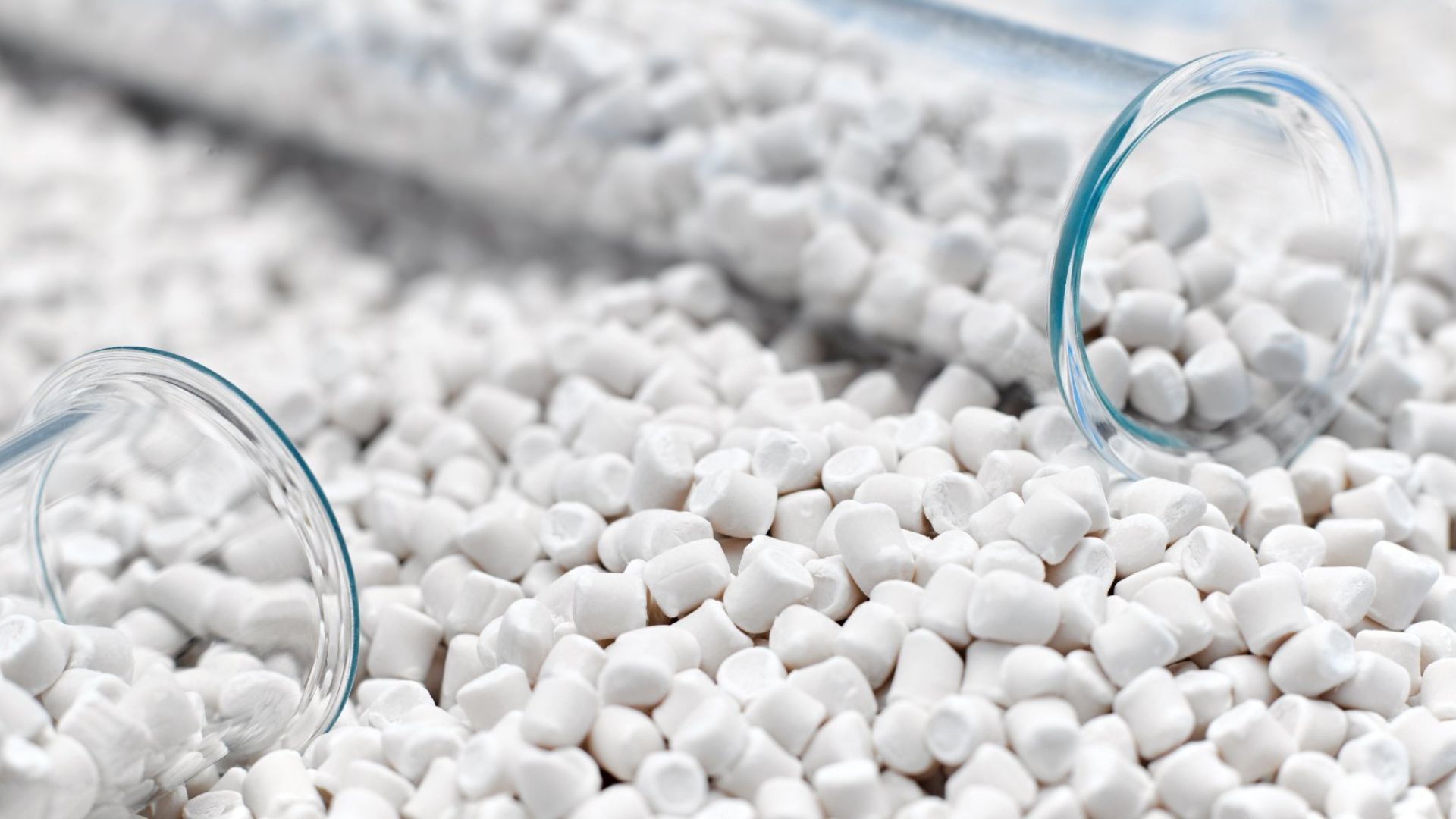
Calcium carbonate masterbatches are composed of Calcium carbonate powder, a portion of base resin, and plastic additives. These components melt into a liquid at high temperatures and are then extruded into small plastic granules through an extruder. These masterbatches are widely used as fillers in plastic products, replacing part of the raw materials to reduce costs while enhancing product functionality. The Calcium carbonate powder typically constitutes 60% to 90% of the mixture and is compatible with Polyolefin resins (such as PP, PE). It can also be mixed with other plastics, such as Polystyrene (PS), ABS resin, Polyvinyl chloride (PVC), and Expandable polystyrene (EPS), providing an economical solution for the plastics industry.
The Process Of Filler Masterbatch Production
With changes in the components of the carrier resin, the processing technology and related equipment for filler masterbatch will also be adjusted accordingly. Generally speaking, the manufacturing process of the filler masterbatch can be divided into the following four stages:
Mixing components
In the first stage of the filler masterbatch production process, Calcium carbonate powder, base resin, and additives are placed into the machine for high-speed mixing. This process ensures that all components of the Calcium carbonate masterbatch are evenly blended, laying the foundation for subsequent processes.
Melting and mixing the mixture
The mixture is heated to a high temperature until it melts into a liquid state, after which it is kneaded and dispersed into pellets. This step ensures that the mixture is evenly blended and forms a homogeneous filler masterbatch material for further processing.
Extrusion
The kneaded mixture clump is fed into a screw extruder, where it is pressed through a mold to create strands, ensuring that the filler masterbatch is extruded evenly and shaped according to requirements, preparing it for subsequent processing steps.
Cut into pellets
After the extrudate is cooled and solidified through air or water cooling, it is cut into granules using a cutter or pelletizer. These granular filler masterbatches are added to other resins, imparting new characteristics to the base plastic and thereby affecting the performance of the final product.
Filler Masterbatch For Blow Film Extrusion Production
Blow film is a popular process used in the production of plastic films for packaging, shopping bags, and agricultural covers, among other applications. Filler masterbatch plays a crucial role in this process by balancing cost and performance to meet market demands for both affordability and durability.
Key Benefits Of Using Filler Masterbatch For Blow Film Extrusion
Cost reduction
A key advantage of incorporating filler masterbatch for blow film production is the reduction of raw material costs. By partially replacing virgin polymer with filler, manufacturers can lower overall resin consumption. Calcium carbonate, as a commonly used filler, has a lower cost compared to base polymers, contributing to more economical formulations without significantly affecting product performance.
Enhanced film strength and durability
Filler masterbatch can contribute to improved mechanical properties of the film, such as tensile strength, tear resistance, and puncture resistance. The presence of dispersed filler particles reinforces the polymer structure, resulting in films with improved resistance to mechanical stress under typical usage conditions.
Improved film appearance and opacity
In many blow film applications, especially packaging, a certain level of opacity is preferred. Filler masterbatch enhances the opacity of the film, giving it a more desirable, uniform appearance that is often required in packaging. This property is especially beneficial in retail packaging, where appearance plays a role in consumer perception.
Better processability and stability
Filler masterbatch can improve the processability of the polymer melt during blow film production. The presence of fillers allows for better stability and control over the film’s thickness, which is essential for uniformity in packaging applications. Moreover, the fillers can reduce shrinkage, a common issue in blow film production, resulting in consistent film dimensions.
Enhanced thermal properties
The addition of filler can improve the thermal stability of the film to a certain extent. This allows the material to maintain performance under moderate temperature variations during processing and end use, depending on the formulation.
Applications Of Filler Masterbatch For Blow Film
Filler masterbatch is widely used in various blow film applications due to its versatility and cost-effectiveness. Here are some of the common applications:
Packaging films
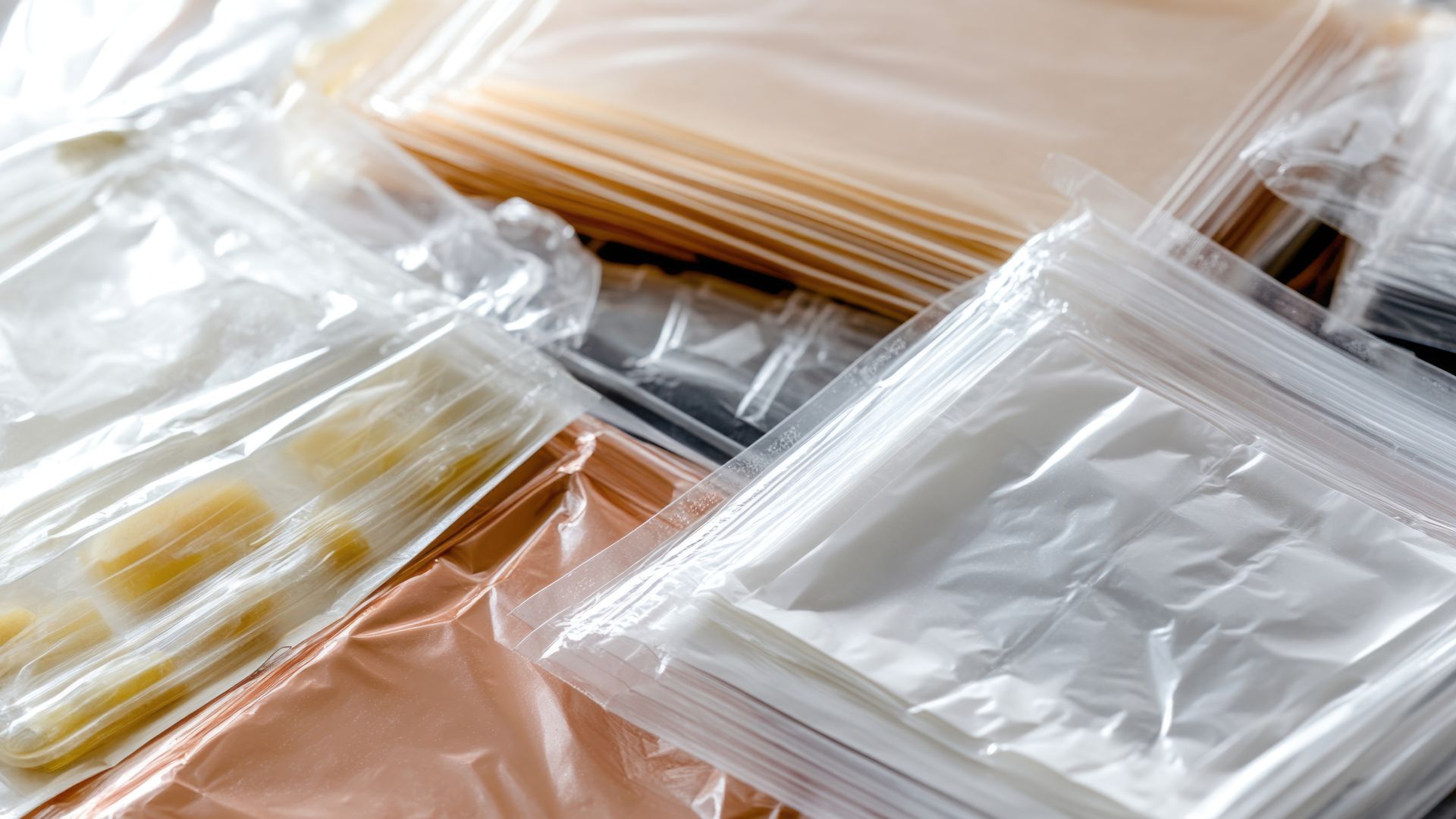
Filler masterbatch is commonly used in the production of retail bags, garbage bags, and industrial liners. It helps reduce material cost while maintaining sufficient mechanical strength for handling, storage, and transportation. In applications where visual appearance is also important, such as consumer goods packaging, filler masterbatch can increase opacity and improve surface uniformity, depending on formulation and dispersion quality.
Read more about Filler masterbatch in non-woven fabric!
Agricultural films

In agricultural uses such as mulch films, greenhouse covers, and silage bags, materials are exposed to outdoor conditions, including UV, temperature variation, and mechanical stress. Filler masterbatch for blow film can improve tear resistance and dimensional stability, while also supporting cost efficiency in large-scale film production.
Construction films

For construction applications such as vapor barriers and protective sheets, films are required to provide basic mechanical protection and moisture resistance. The use of filler masterbatch contributes to improved puncture resistance and structural stability under handling and installation conditions.
Industrial films
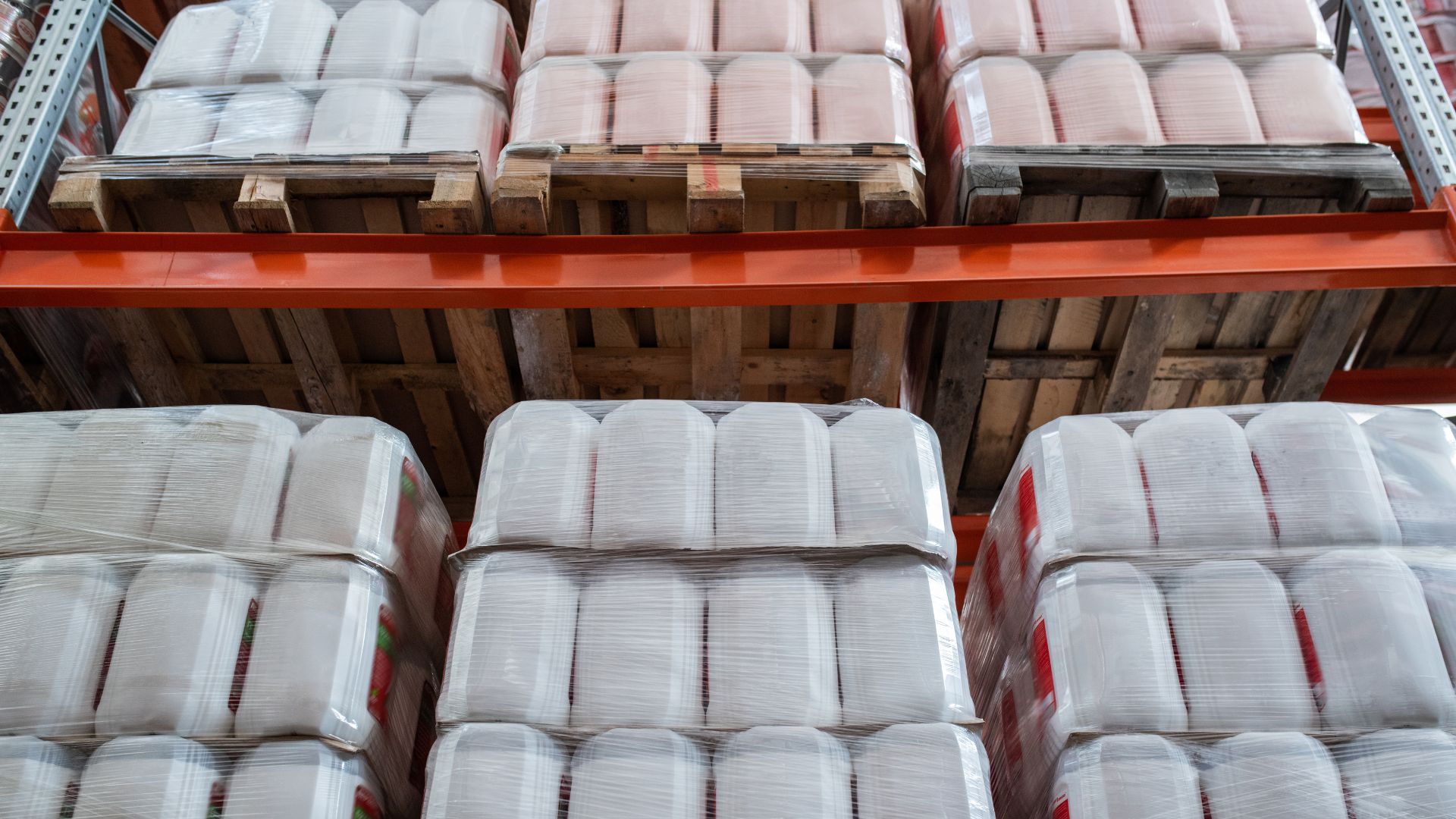
Industrial films, including pallet covers and heavy-duty liners, require consistent thickness and adequate strength for load protection. Filler masterbatch can reinforce the film structure while supporting more stable processing during high-volume production.
Factors Affecting The Performance Of Filler Masterbatch For Blow Film
The performance of filler masterbatch in blow film extrusion is influenced by several technical factors. Understanding and optimizing these parameters is essential to achieve the desired balance between cost efficiency and film performance.
Particle size and distribution of Calcium carbonate
The particle size of Calcium carbonate plays a critical role in determining the mechanical and surface properties of the final film. Fine and uniformly distributed particles enhance dispersion within the polymer matrix, leading to improved film strength, smoother surface finish, and better optical properties. Conversely, larger or poorly distributed particles may create weak points in the film structure, negatively affecting tensile strength and increasing the risk of tearing during processing or end-use.
Dispersion quality of filler masterbatch in blow film
Proper dispersion of filler within the carrier resin is one of the most important factors for consistent performance. High-quality filler masterbatch ensures that Calcium carbonate particles are evenly distributed throughout the polymer, avoiding agglomeration. Poor dispersion can lead to:
- Surface defects such as roughness or pinholes
- Inconsistent film thickness
- Reduced mechanical performance
Advanced compounding technologies and optimized processing conditions are essential to achieve uniform dispersion.
Compatibility with the base polymer
The compatibility between the filler masterbatch and the base polymer (such as PE or PP) significantly affects processing stability and final product quality. A well-matched carrier resin allows the filler to integrate seamlessly into the polymer matrix.
Incompatible systems may result in:
- Phase separation
- Poor mechanical properties
- Processing instability during film extrusion
Selecting a filler masterbatch designed specifically for the target polymer is therefore crucial.
Filler loading ratio
The proportion of filler masterbatch for blow film used in the formulation directly impacts both cost and performance. While higher loading levels can significantly reduce material costs, excessive filler content may compromise film strength, elongation, and flexibility.
An optimal loading ratio should be determined based on the specific application requirements, ensuring that cost savings do not come at the expense of functional performance.
Processing Conditions
Processing parameters such as extrusion temperature, screw configuration, and mixing intensity also influence the performance of filler masterbatch in blow film production.
Proper temperature control ensures:
- Efficient melting and mixing of materials
- Stable extrusion flow
- Reduced risk of degradation
In addition, a suitable screw design improves dispersion and prevents filler agglomeration, contributing to consistent film quality.
Additive and surface treatment
The presence of additives and surface treatment of Calcium carbonate particles can enhance compatibility and performance. Coated fillers (e.g., with stearic acid) improve dispersion, reduce moisture absorption, and enhance interfacial bonding with the polymer matrix.
This results in:
- Better mechanical properties
- Improved processability
- Enhanced surface quality of the film
Cost Savings Analysis Of Filler Masterbatch For Blow Film Manufacturing
Using filler masterbatch in blow film manufacturing can result in substantial cost savings.
Reduced polymer usage
Substituting part of the virgin polymer with filler masterbatch can reduce overall material costs. Since filler materials like Calcium carbonate are less expensive than base polymers, replacing even a small percentage of the polymer with filler masterbatch translates to considerable savings.
Lower energy consumption
Filler masterbatch can help lower the energy consumption required in the blow film process. The fillers modify the melt behavior, allowing for lower processing temperatures and reducing energy usage, which can be particularly advantageous in large-scale production facilities.
Waste reduction
Increased film strength and stability reduce the likelihood of defects and product waste. By minimizing rejects and waste during production, manufacturers can save on raw material costs and reduce waste management expenses.
Enhanced production efficiency
Filler masterbatch improves the processability of the film, allowing for faster production speeds and reducing downtime caused by production issues. This efficiency leads to increased output, optimizing the manufacturing process and saving on labor costs.
Long-term cost benefits
While the initial investment in quality filler masterbatch may be slightly higher, the long-term savings on material, energy, and production efficiency make it a cost-effective choice for blow film manufacturers. Additionally, the improved durability of the film reduces the likelihood of returns or product recalls due to defects, leading to further cost benefits.
Choosing The Right Filler Masterbatch For Blow Film Applications
When selecting a filler masterbatch for blow film applications, several factors should be considered to ensure consistent processing and final product performance. The masterbatch must be compatible with the base polymer, such as PE or PP, to maintain stability during extrusion and avoid phase separation. The quality of the filler is also important, with finely ground Calcium carbonate generally providing better dispersion and more uniform film properties. In addition, the filler loading ratio should be carefully determined based on application requirements to balance cost efficiency with mechanical performance. Finally, working with reliable suppliers helps ensure consistent material quality, reducing the risk of variability in film production.