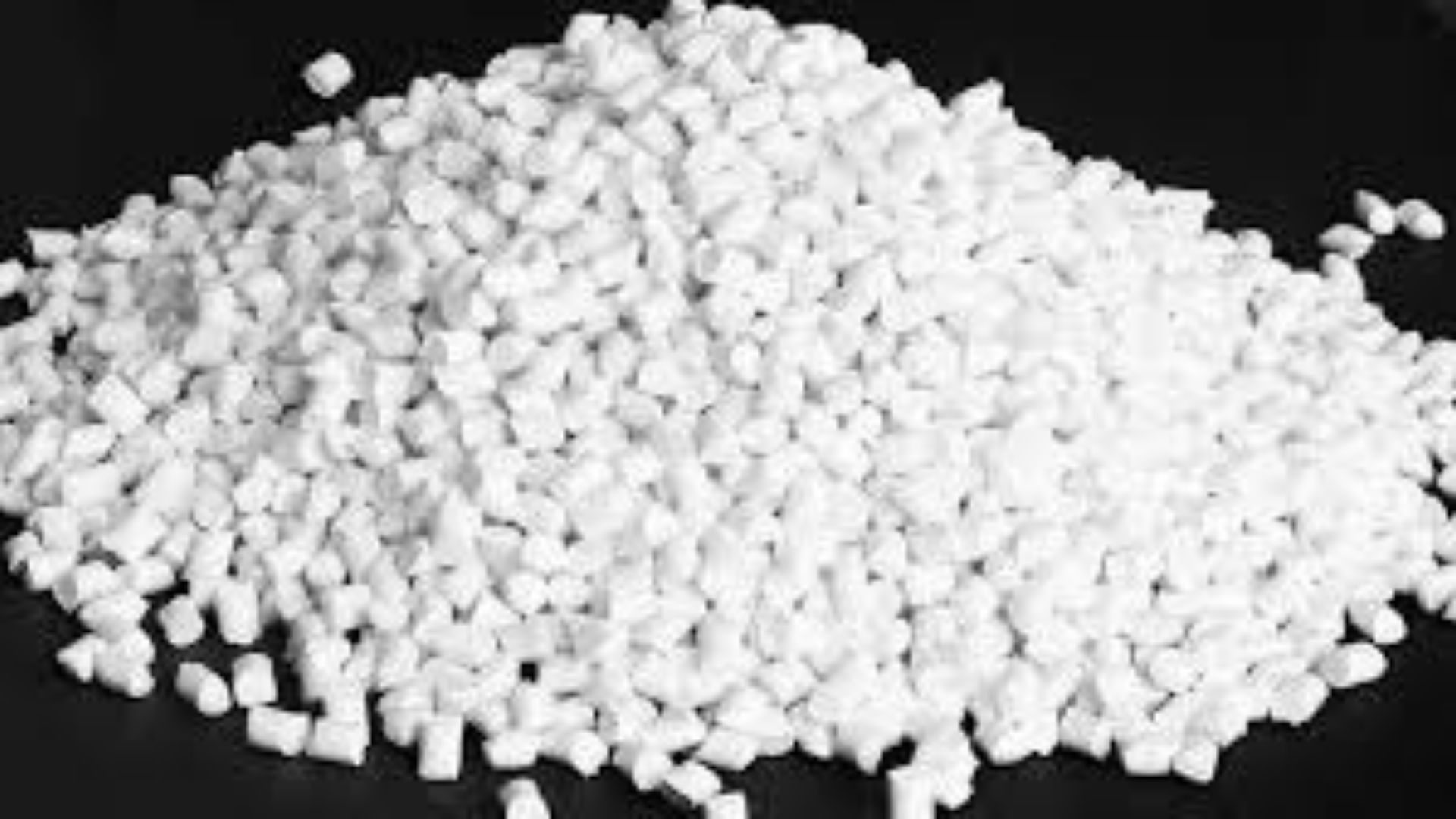
White masterbatch plays a crucial role in modern plastic manufacturing by providing consistent color, improved performance, and cost efficiency. Widely used across industries such as packaging, automotive, and healthcare, it has become an essential additive for achieving high-quality plastic products with a bright and uniform appearance. Explore more in the blog from CVN Plastics.
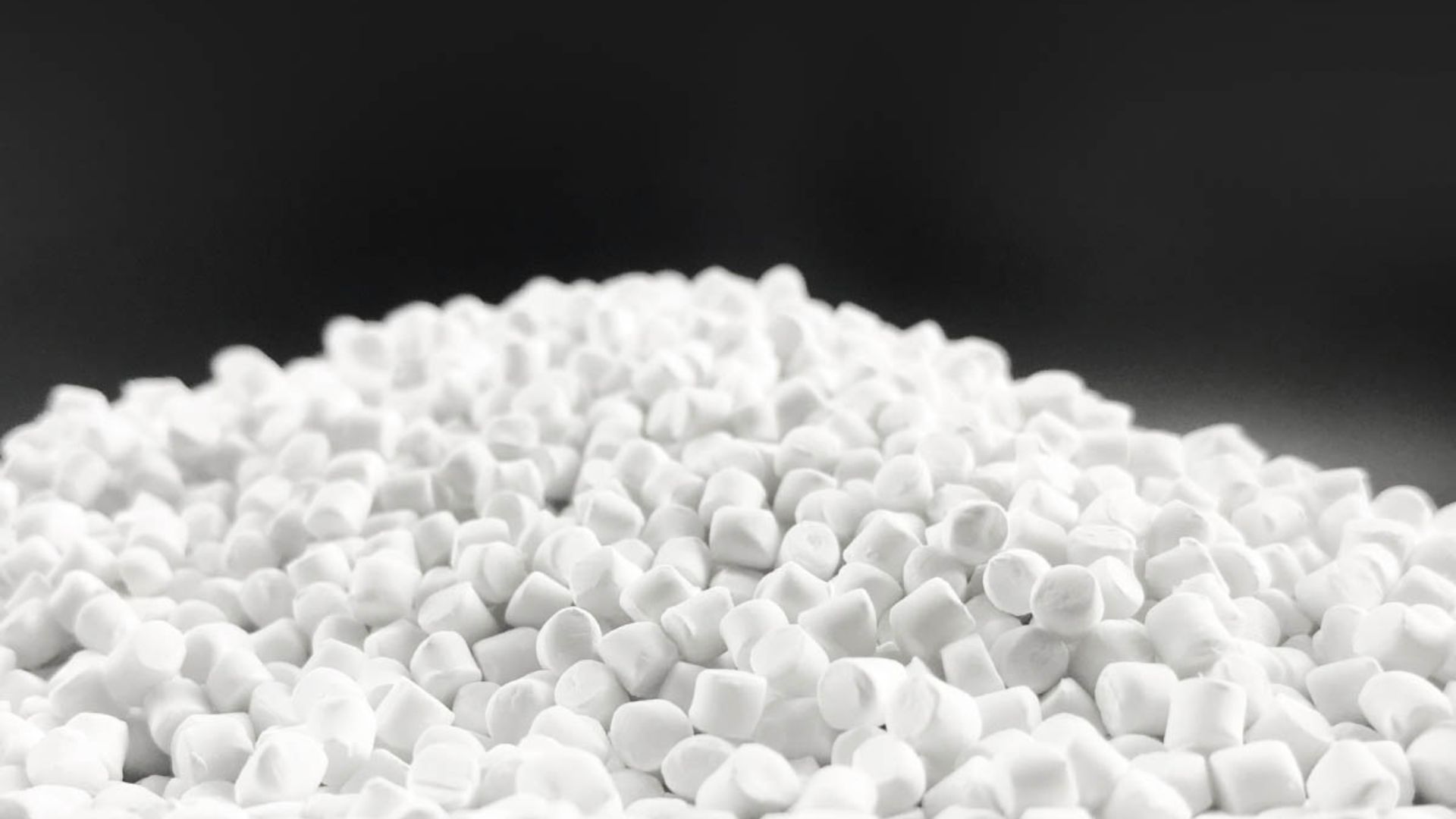
Definition And Basic Composition
White masterbatch is a white plastic color concentrate produced by combining Titanium Dioxide (TiO₂) pigment with a polymer carrier resin (such as PE, PP, PS…) along with dispersing additives.
TiO₂
This is the primary whitening ingredient, responsible for increasing whiteness, opacity, and brightness of the final product. Rutile-grade TiO₂ is commonly used due to its strong UV resistance and excellent light-reflecting properties.
Resin
The carrier can be PE, PP, PS, or ABS, depending on the application. It helps disperse TiO₂ uniformly throughout the product and ensures compatibility with the customer’s polymer base.
Additives
These include dispersing agents, anti-agglomeration additives, or gloss enhancers. Their purpose is to improve TiO₂ dispersion, create a smoother surface, and stabilize the material during processing.
Properties Of White Masterbatch
High opacity and brightness
One of the most important properties of white masterbatch is its ability to deliver excellent opacity and brightness. It reduces transparency and enhances the visual appeal of plastic products by creating a solid, uniform white color.
Dispersion quality and processability
White masterbatch is engineered to ensure uniform dispersion of TiO₂ particles throughout the polymer matrix. This improves processing efficiency and helps maintain consistent product quality across batches.
In addition, it can contribute to:
- Improved thermal stability
- Enhanced outdoor durability
- Better surface finish
These properties make white masterbatch a highly versatile additive suitable for a wide range of plastic applications.
Key Advantages Of White Masterbatch
Consistent white color
White masterbatch enables manufacturers to achieve a uniform and stable white shade across different production batches. The controlled formulation of Titanium Dioxide (TiO₂) and its optimized dispersion within the carrier resin help minimize color variation, which is particularly important for products requiring strict visual consistency, such as packaging films, consumer goods, and medical components. This consistency also reduces the need for frequent color adjustments during production.
Cost efficiency
Using white masterbatch is a more cost-effective solution compared to direct dosing of TiO₂ powder. It reduces material waste, minimizes dust contamination, and improves dosing accuracy. In addition, better dispersion efficiency allows manufacturers to achieve the desired opacity with lower overall pigment consumption. The improved processing stability also helps reduce machine downtime and reject rates, contributing to overall production cost savings.
Compatibility with different polymers
White masterbatch can be formulated with a wide range of carrier resins such as PE, PP, PS, or ABS, ensuring compatibility with various base polymers. This flexibility allows manufacturers to use the same masterbatch concept across multiple applications while maintaining processing performance and final product quality. Proper compatibility also prevents issues such as phase separation, poor dispersion, or defects on the product surface.
Applications Of White Masterbatch In Plastic Industries

White masterbatch is widely used across multiple industries due to its functional and aesthetic benefits.
- Packaging Industry: It is extensively used to produce plastic bags, films, containers, and other packaging materials. The bright white color enhances product appearance and creates a clean, attractive look.
- Automotive Industry: White masterbatch is used in automotive components such as dashboards, door panels, and interior trims.
- Household Appliances: It is commonly used in products such as bottles, caps, buckets, and containers, offering a cost-effective solution with consistent color quality.
- Medical Industry: White masterbatch is used in medical applications, including syringes, IV bags, and tubing.
Applications Of White Masterbatch By Processing Method
- Injection Moulding: White masterbatch is highly suitable for injection moulding due to its excellent dispersion and compatibility with different polymers. It enhances brightness, consistency, and UV resistance in molded parts such as containers and housings.
- Blow Moulding: In blow moulding processes, white masterbatch improves thermal stability and prevents degradation during high-temperature processing. Its pellet form allows easy feeding into the hopper, ensuring efficient production.
Factors To Consider When Choosing White Masterbatch
TiO₂ content and grade
TiO₂ content is one of the most critical factors affecting the performance of white masterbatch. Higher TiO₂ loading generally provides better opacity and brightness; however, it also increases cost. Therefore, the optimal loading level should be selected based on the required whiteness and application. In addition, the grade of TiO₂ is equally important. Rutile-grade TiO₂ is typically preferred due to its superior UV resistance, weatherability, and long-term color stability compared to anatase grade.
Carrier resin compatibility
The carrier resin must be compatible with the base polymer used in production. Mismatch between the carrier and the base resin can lead to poor dispersion, phase separation, or defects such as flow marks and surface irregularities. Proper compatibility ensures stable processing and consistent product quality.
Dispersion quality
Dispersion quality directly affects the visual appearance and mechanical performance of the final product. Poor dispersion can result in agglomerates, uneven color distribution, and reduced surface quality. High-quality white masterbatch is designed with optimized dispersing agents and controlled processing to ensure uniform TiO₂ distribution within the polymer matrix. This is especially important in thin-film applications or products requiring high surface aesthetics.
Processing temperature
Processing temperature should be carefully considered when selecting white masterbatch. The formulation must be stable under the operating temperature range of the intended process, whether injection moulding, blow moulding, or extrusion. If the masterbatch is not thermally stable, it may degrade, leading to discoloration, reduced brightness, or processing issues. Matching the thermal stability of the masterbatch with the processing conditions helps maintain consistent performance.
End-use requirements
Different applications require different performance characteristics. For example, packaging films may require high opacity and good dispersion, while outdoor applications demand strong UV resistance and weatherability. In medical or food-contact applications, regulatory compliance, such as FDA standards, may be necessary. Therefore, selecting the appropriate white masterbatch should always be aligned with the specific functional and regulatory requirements of the end-use product.
Future Trends In White Masterbatch
Sustainability and Recyclability
Sustainability is becoming a key consideration in the plastics industry. White masterbatch formulations are increasingly being developed to support recyclability and reduce environmental impact. This includes the use of eco-friendly additives, improved compatibility with recycled polymers, and reduced reliance on virgin raw materials. Manufacturers are also focusing on solutions that maintain performance while supporting circular economy goals.
High-performance dispersion technology
Advancements in dispersion technology are enabling more efficient distribution of TiO₂ within the polymer matrix. Improved dispersion not only enhances opacity and surface finish but also allows for lower TiO₂ loading while maintaining performance. This contributes to both cost optimization and resource efficiency. Modern production techniques, such as advanced twin-screw compounding, are playing a significant role in achieving these improvements.
Lower carbon footprint formulations
Reducing the carbon footprint of plastic products is an increasing priority. White masterbatch is being optimized to reduce energy consumption during production and processing. This includes the development of formulations that require lower processing temperatures or enable higher filler loading in end products, thereby reducing the overall use of petroleum-based polymers. Such approaches help manufacturers align with global sustainability targets.
Customized white masterbatch solutions
There is a growing demand for customized masterbatch solutions tailored to specific applications and processing conditions. Instead of using standard grades, manufacturers are working closely with suppliers to develop formulations optimized for particular polymers, machinery, and end-use requirements. Customization allows better control over properties such as opacity, gloss, UV resistance, and mechanical performance, leading to more efficient and application-specific solutions.
Conclusion
White masterbatch remains an essential additive in the plastic industry due to its ability to deliver consistent color, improved material performance, and cost efficiency. With applications spanning packaging, automotive, medical, and household products, it continues to support manufacturers in producing high-quality plastic goods. As technology advances, white masterbatch is expected to evolve further, offering enhanced sustainability, better dispersion technologies, and improved performance characteristics.