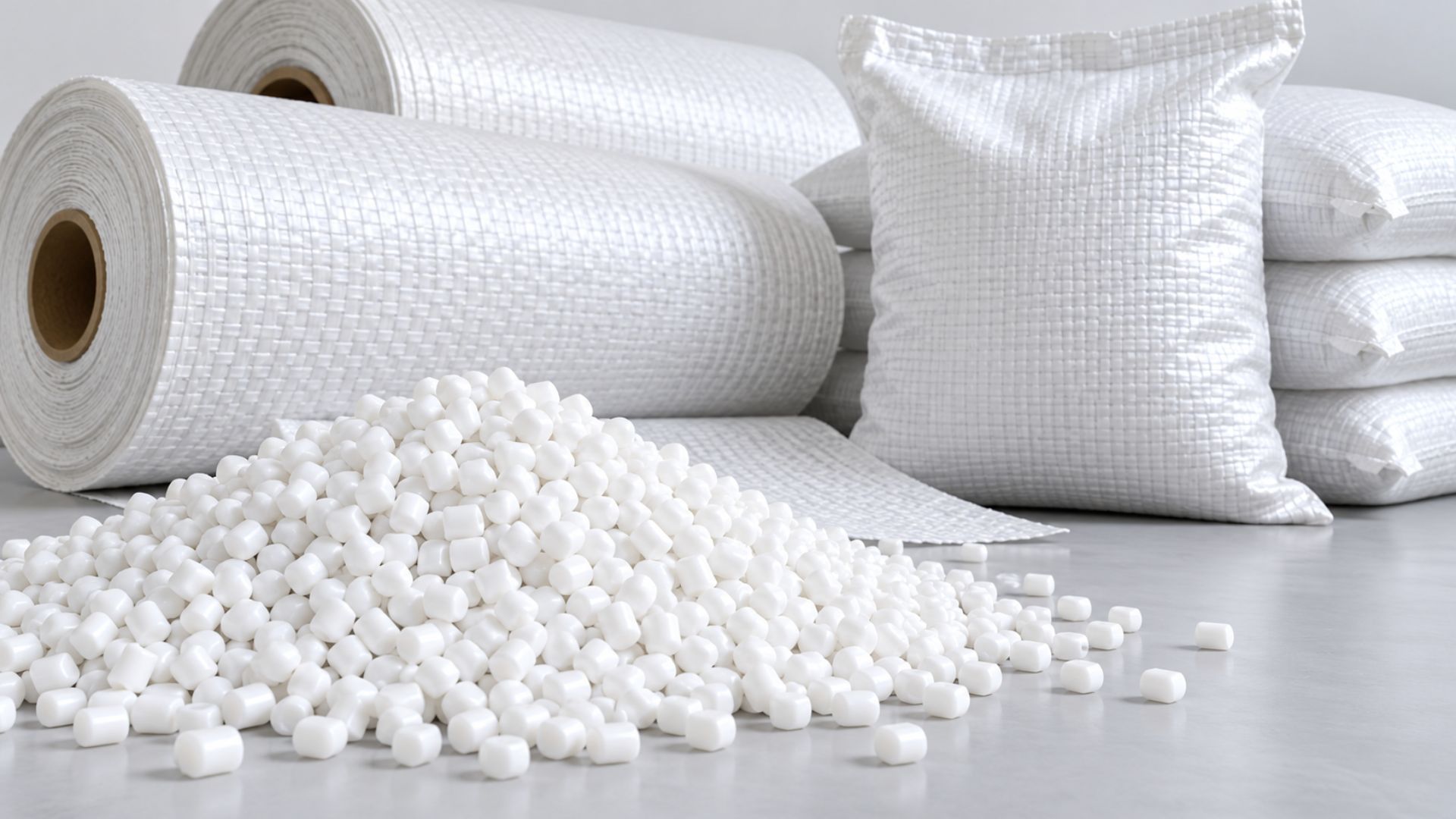
Polypropylene (PP) woven bags are widely used across agriculture, construction, chemicals, fertilizers, food ingredients, animal feed, and industrial packaging. Their popularity comes from a practical combination of strength, low weight, moisture resistance, and cost efficiency. Yet their performance depends on much more than PP resin. Color stability, ultraviolet resistance, processability, and compliance all affect whether the finished bag performs reliably. This is where masterbatch for woven bags becomes a critical part of product design and production control.
A well-selected formulation helps manufacturers achieve consistent output while reducing defects, waste, and processing interruptions. Choosing the right masterbatch is therefore both a technical and commercial decision, influencing production efficiency, customer satisfaction, and brand reputation. Explore more technical insights on the CVN PLASTICS blog.

Why Masterbatch Matters In PP Woven Bag Manufacturing
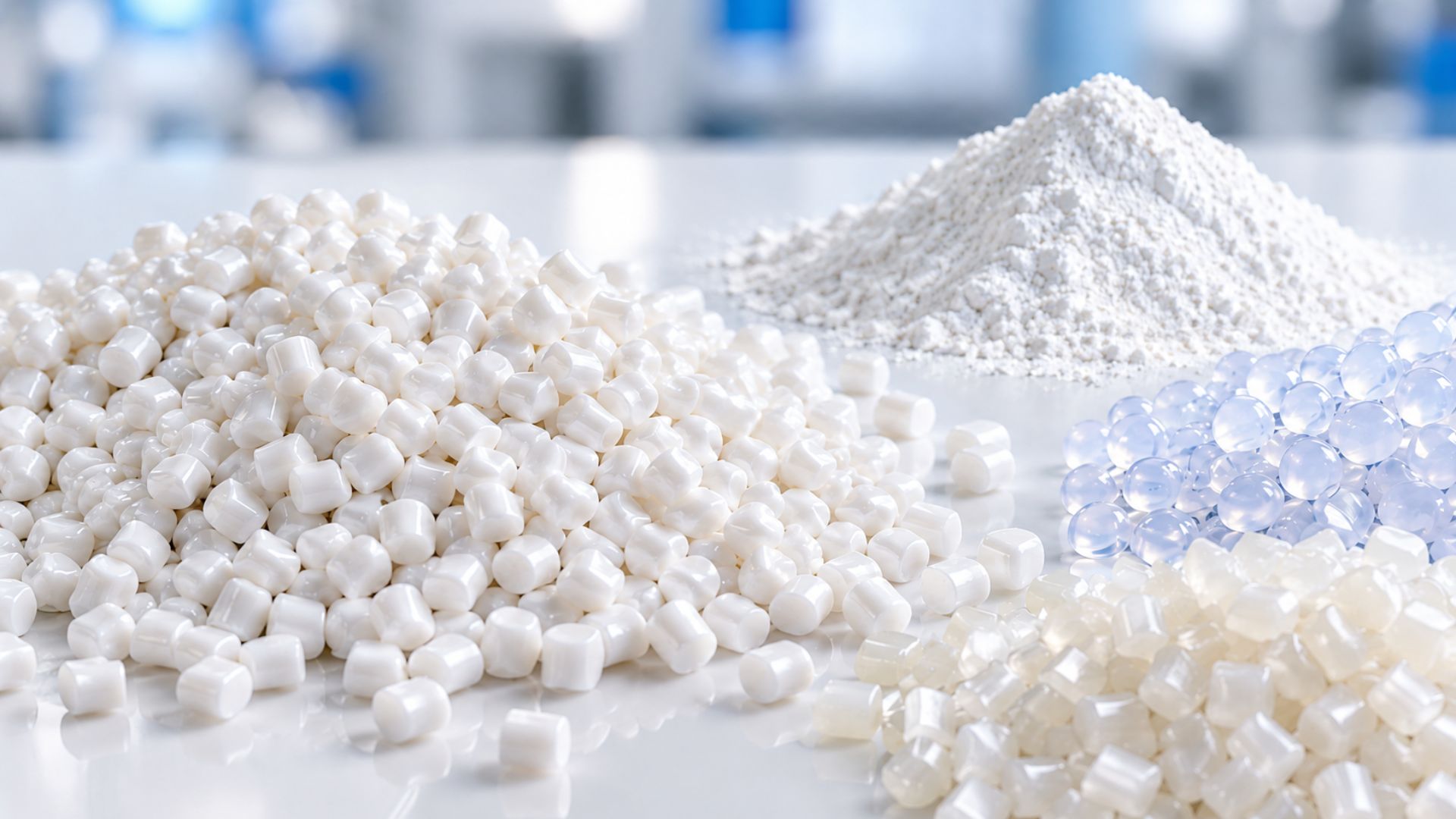
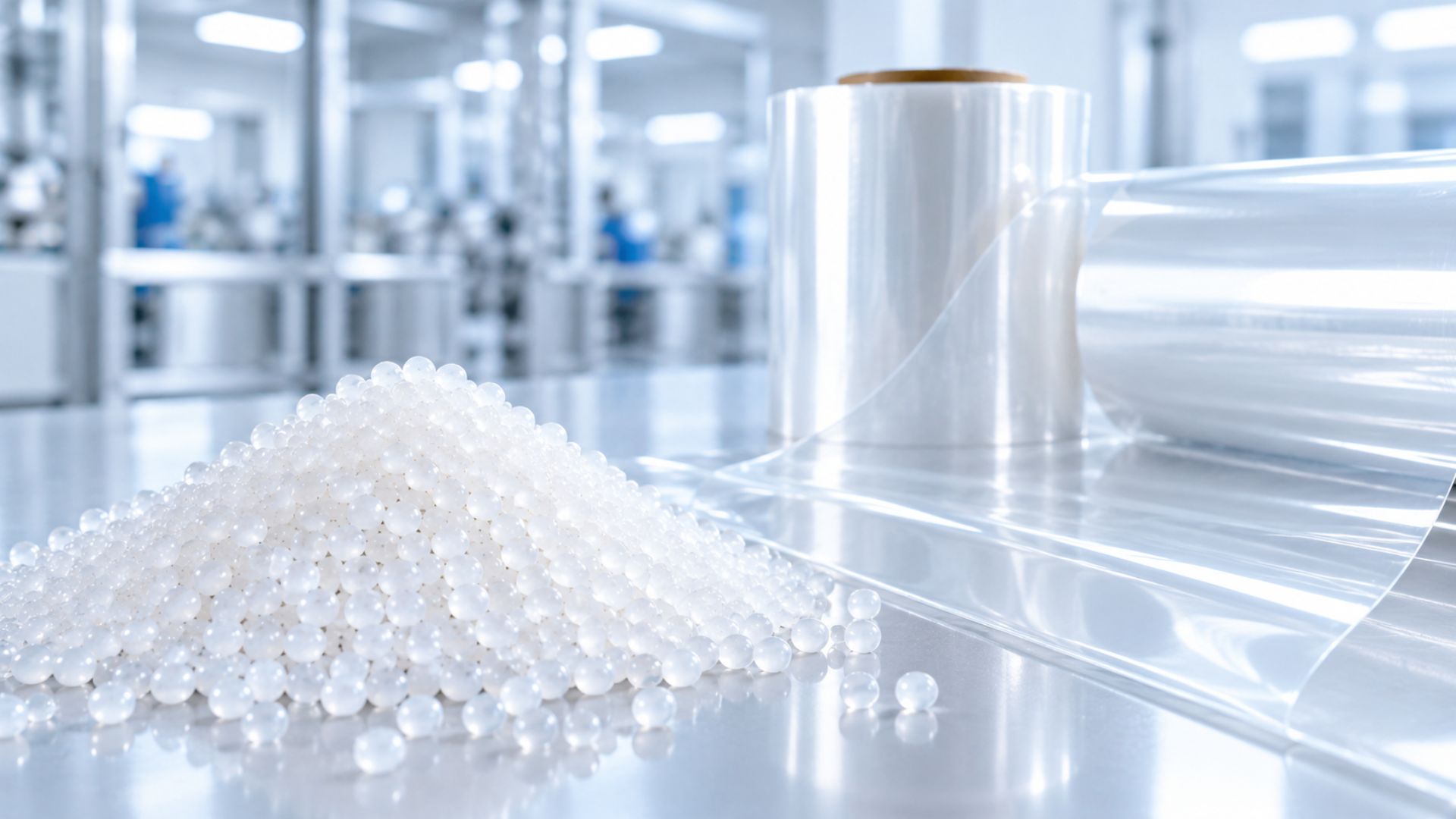
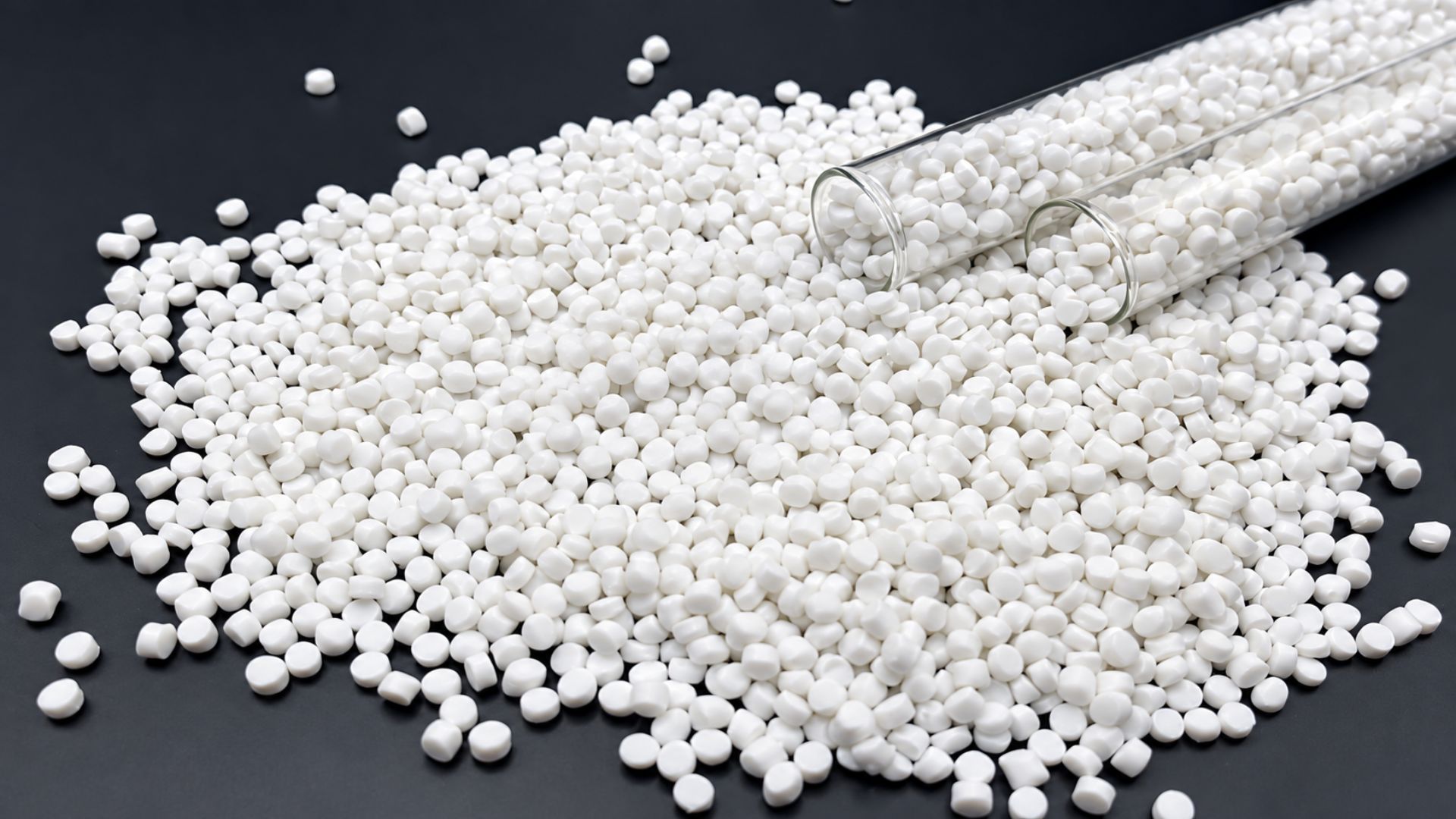
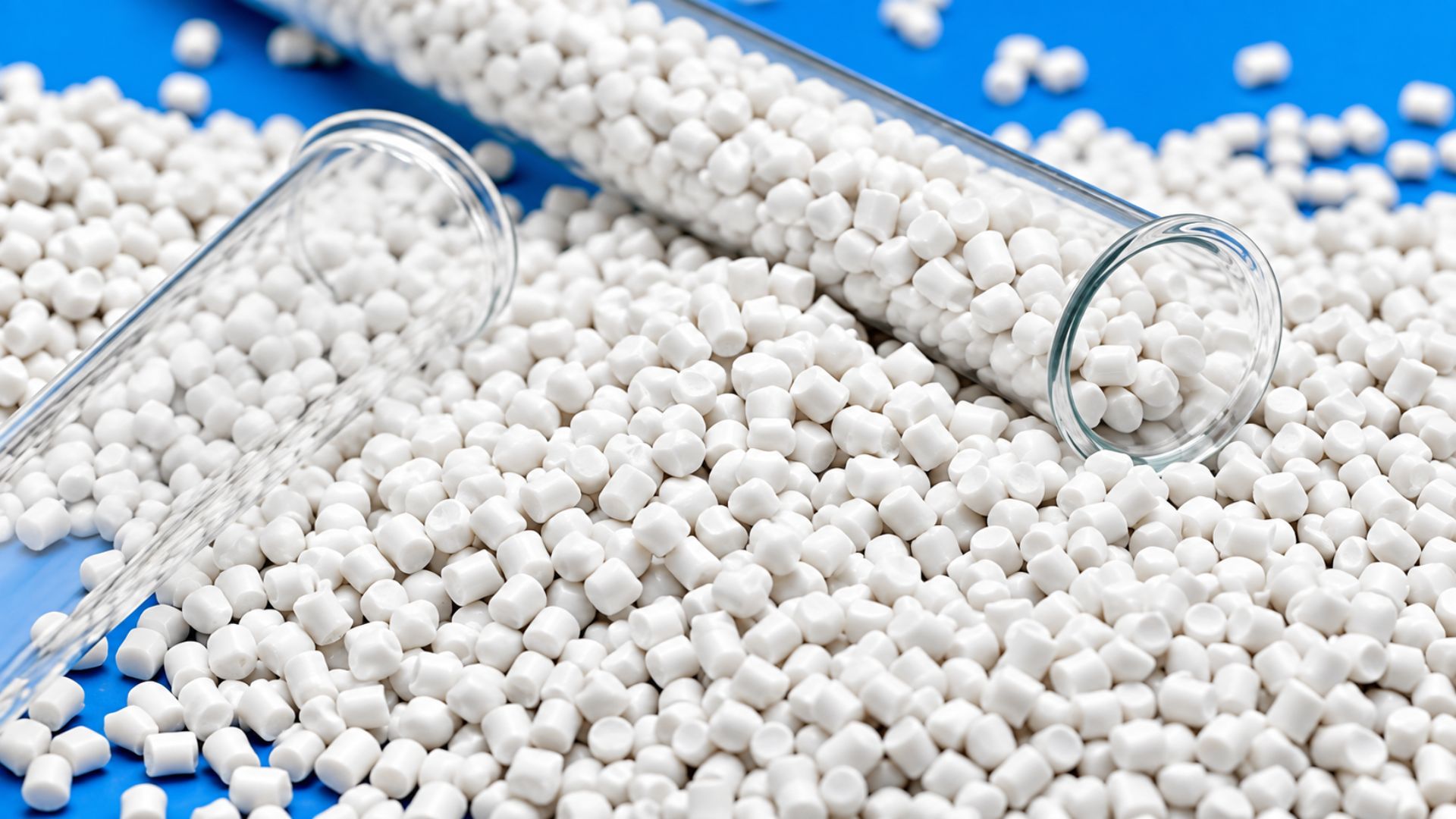
Masterbatch is a concentrated mixture of pigments, additives, or both, dispersed in a compatible carrier resin. It is blended with PP before extrusion, so the required color or functional property is distributed throughout the material. In woven bag manufacturing, this normally occurs during tape extrusion, before stretching, weaving, lamination, printing, cutting, and sewing.
The main value of masterbatch for woven bags is control. Instead of adding raw pigments or individual additives directly into the extrusion process, manufacturers can use a pre-dispersed product. This improves consistency from one batch to another and reduces the risk of poor mixing. It also helps production teams manage several performance requirements through a more stable and repeatable formulation.
Without the right masterbatch, producers may experience uneven color, weak ultraviolet protection, unstable tape extrusion, blocking, static buildup, or inconsistent printing. These issues create direct losses through line stoppages, difficult bag opening, rejected products, and customer complaints. For exporters and large packaging suppliers, even small variations between production lots can become commercially significant.
Modern woven bags are expected to do more than simply hold a product. Outdoor bags may need long-term sunlight resistance, while fertilizer and chemical packaging require stable mechanical performance. Food and feed applications may demand regulatory documentation, and retail packaging often needs clean color and printing. The correct masterbatch for woven bags supports these requirements through reliable processing and targeted end-use performance.
Types Of Masterbatch Used In Woven Bags

Woven bag manufacturers commonly use white, color, black, UV, anti-block, slip, antistatic, and flame-retardant masterbatches, depending on the final application. White masterbatch provides opacity, brightness, and a clean printing base, while color masterbatch creates brand-specific shades and improves visual recognition. Black masterbatch offers deep color and can support light protection in suitable formulations.
How Different Masterbatches Improve Woven Bag Performance
Better UV Resistance For Outdoor Storage
PP woven bags used outdoors are exposed to sunlight, heat, humidity, and changing weather conditions. Ultraviolet radiation can gradually break down PP chains, causing loss of strength, fading, brittleness, and premature failure. This is especially important for fertilizer, grain, cement, minerals, chemicals, and agricultural products stored in open yards or transported through high-sunlight regions.
A UV-stabilized masterbatch for woven bags helps slow this degradation by protecting the polymer during exposure. The required level depends on climate, expected storage duration, bag color, fabric thickness, lamination, and whether the package is continuously or intermittently exposed. A bag intended for a few weeks of outdoor use does not need the same formulation as one expected to remain outdoors for several months.
UV performance should not be judged only by dosage. Dispersion, carrier compatibility, pigment interaction, processing temperature, and recycled content also influence results. Production trials and accelerated weathering tests are therefore valuable for demanding outdoor applications.
Improved Color Consistency And Appearance
Color is one of the first quality signals customers notice. In industrial packaging, consistent color strengthens brand recognition and creates a more professional appearance. It also helps users identify products, grades, or destinations quickly. However, maintaining the same shade across large production volumes can be difficult when raw pigments are poorly dispersed or when dosing is inconsistent.
High-quality masterbatch for woven bags delivers a controlled pigment concentration and uniform dispersion. This reduces color streaks, shade variation, specks, and weak opacity. White masterbatch can improve brightness and provide a better background for printing, while color masterbatch can be matched to customer standards, physical samples, or recognized color systems.
Color development must also consider heat stabilit, opacity, and interaction with fillers or other materials. A shade that looks correct in a laboratory plaque may change after tape stretching or weaving, so final matching should be evaluated under production conditions.
Enhanced Processability During Tape Extrusion And Weaving
The tape extrusion stage has a major influence on final bag strength and productivity. PP is melted, extruded into film, slit into tapes, stretched, and heat-set before weaving. Any instability in melt flow, dispersion, or surface behavior can lead to tape breakage or reduced tensile strength.
A properly formulated masterbatch for woven bags should disperse quickly and evenly without creating gels, agglomerates, or excessive filter pressure. The carrier resin should be compatible with the base PP and suitable for the processing temperature. Good compatibility supports stable melt behavior and lowers the risk of weak points in stretched tapes.
Processability becomes more critical on high-speed lines, with thinner tapes or lower fabric weight. Under these conditions, small formulation problems can cause line stops and waste. A reliable masterbatch helps preserve efficiency and mechanical performance.
Reduced Blocking
Blocking occurs when two film or fabric surfaces stick together. This problem can slow manual or automatic filling operations and create frustration for downstream customers. It is more common when surfaces are smooth, storage pressure is high, temperatures are elevated, or the bag structure includes lamination.
Anti-block and slip additives are often used together, but they perform different functions. Anti-block additives create microscopic surface irregularities that reduce contact between layers. Slip additives lower surface friction and help layers move more easily. The right masterbatch for woven bags can balance these effects without creating an excessively slippery surface that interferes with stacking, printing, lamination, or sewing.
Dosage depends on bag design and handling requirements. A bag must open easily yet retain enough friction for pallet stability. Laminated sacks also require attention to adhesion and printing, so trials should evaluate the complete packaging process rather than extrusion alone.
Static Control During Filling And Transportation
Static electricity can build up when plastic surfaces rub against each other during extrusion, weaving, cutting, printing, filling, or transport. In many applications, static causes dust attraction, poor handling, or difficulty opening bags. In sensitive industrial environments, it can also raise safety concerns.
Antistatic masterbatch for woven bags helps reduce surface electrical charge by increasing conductivity at the material surface or allowing charge to dissipate more effectively. Performance may depend on humidity, storage time, additive migration, and the type of product being packed. Some antistatic additives act quickly but provide temporary performance, while others are designed for more durable control.
Manufacturers should define the required antistatic level and test conditions clearly. A general-purpose solution may reduce dust attraction but may not satisfy stricter electrostatic requirements. Alignment between the bag producer, supplier, and end user is essential.
Key Factors To Consider When Choosing A Masterbatch
Carrier Resin Compatibility
Carrier compatibility is fundamental because the carrier must melt and distribute effectively within PP. An incompatible carrier can cause poor dispersion, unstable extrusion, weak tapes, surface defects, or filtration problems. A PP-based carrier is generally preferred, with melt flow and formulation matched to the process.
When selecting masterbatch for woven bags, manufacturers should provide information about their base resin, melt flow rate, recycled content, extrusion temperature, tape speed, and stretching ratio. These details help the supplier recommend a product that integrates smoothly into the existing process.
Pigment And Additive Quality
Pigment quality affects shade, opacity, heat stability, weather resistance, and migration behavior. Additive quality influences durability, processing efficiency, and long-term performance. Lower-priced products may appear acceptable initially, but can create hidden costs through higher dosage, inconsistent output, production waste, or customer complaints.
The best value is not always the lowest price per kilogram. A concentrated, well-dispersed product may achieve stable results at a lower dosage than a cheaper but less efficient alternative.
Dispersion Performance
Dispersion is a key indicator of masterbatch quality. Poorly dispersed pigments or additives can create streaks, weak points, filter blockage, and reduced tape strength. Because woven tapes are highly stretched, even small agglomerates can become failure points.
Good masterbatch for woven bags should show uniform distribution under real extrusion and stretching conditions. Laboratory dispersion tests are useful, but line trials provide the clearest evidence. Producers should monitor pressure stability, screen changes, tape breakage, color uniformity, and waste during evaluation.
Heat Stability During Extrusion
Pigments and additives must withstand the temperatures used during PP processing. Poor heat stability can cause color shift, odor, decomposition, plate-out, or loss of functional performance. Residence time also matters, especially when production stops temporarily, and material remains in the extruder.
Recommended Dosage
Dosage affects both performance and cost. Too little masterbatch may fail to deliver the required shade or function. Too much can increase cost, alter mechanical properties, reduce printability, or create processing difficulties. The supplier’s recommendation should be treated as a starting range rather than a fixed number for every production line.
The ideal dosage of masterbatch for woven bags depends on the concentration of active ingredients, bag thickness, base resin, recycled content, target performance, and operating conditions. Accurate gravimetric dosing is preferable for maintaining consistency, particularly on large or high-speed lines.
Regulatory Compliance
Woven bags may be used for food, feed, fertilizers, chemicals, construction materials, or consumer products, and each market can have different regulatory expectations. Relevant requirements may include REACH, RoHS, food-contact rules, heavy-metal limits, and customer-specific restricted substance lists.
Manufacturers should request current documentation for the exact product grade. For food-contact or export applications, compliance review should take place before commercial production.
Common Problems And How The Right Masterbatch Solves Them
Color Streaks
Color streaks usually result from poor dispersion, incorrect dosing, contamination, inadequate mixing, or an unsuitable carrier. Producers should check the masterbatch, dosing equipment, extruder cleanliness, and process settings. A high-dispersion masterbatch for woven bags, combined with stable dosing and proper cleaning, can significantly reduce this defect.
Uneven UV Protection
Uneven UV protection may result from poor distribution, inconsistent dosing, or an additive level that is too low for the actual exposure period. A well-dispersed UV formulation, calibrated dosing, and market-relevant weathering tests provide a more reliable solution.
Tape Breakage During Weaving
Tape breakage can be linked to poor resin, excessive filler, contamination, weak dispersion, incorrect stretching, or incompatible masterbatch. Agglomerates may form stress points during drawing or weaving. A compatible grade and a review of the full formulation can reduce loom stoppages.
Blocking Between Bags
Blocking may result from insufficient anti-block performance, high storage temperature, stacking pressure, or unsuitable surface properties. An optimized anti-block and slip formulation can improve separation, but it must not compromise printing or pallet stability.
Poor Print Appearance
Poor printing may result from inconsistent surface energy, excessive slip, contamination, weak contrast, or rough fabric. The chosen masterbatch for woven bags should support the printing method without interfering with corona treatment, ink adhesion, or lamination. White background quality remains important for branded packaging.
How To Optimize Masterbatch Dosage For Cost And Performance
Avoiding Overuse
Using more masterbatch than necessary does not always improve performance. In color applications, excessive dosage may only deepen the shade slightly while increasing cost. In additive applications, overuse can create side effects such as excessive slip, reduced adhesion, surface bloom, odor, or changes in mechanical properties.
Manufacturers should begin with the supplier’s recommended range and test several controlled dosage levels. The goal is to identify the lowest dosage that consistently meets the required standard under normal production variation.
Balancing Performance And Production Cost
Cost optimization should consider total production economics rather than masterbatch price alone. A product that costs more per kilogram may lower the final cost if it reduces dosage, waste, tape breaks, downtime, claims, or rejected bags. Conversely, a low-cost product can become expensive when it creates unstable processing.
The commercial value of masterbatch for woven bags should therefore be measured through output quality, line efficiency, defect rate, and customer acceptance. Production teams and purchasing teams should evaluate suppliers together so that technical performance is not separated from financial impact.
Conducting Production Trials
A structured production trial is the most reliable way to confirm dosage and compatibility. The trial should use the actual resin blend, recycled content, machine settings, tape dimensions, stretching ratio, weaving conditions, lamination, printing, and final bag design. Changing several variables at once should be avoided because it becomes difficult to identify the source of improvement or failure.
Trial records should cover dosage, output rate, melt pressure, temperature, tape breaks, color, tensile results, surface behavior, print quality, and final bag performance. Once the optimum level is confirmed, the formulation and process settings should be standardized.
A strong supplier can support this process by recommending starting dosages, reviewing test results, and adjusting pigment or additive concentration when necessary. For large-volume producers, this technical cooperation can create meaningful savings over time.
Conclusion
The performance of woven bags depends on the combined effects of resin, masterbatch, processing conditions, equipment, bag design, and end-use requirements. Selecting the right masterbatch for woven bags improves color consistency, UV resistance, processability, print quality, and overall product reliability while reducing waste and protecting tape strength.
Rather than focusing solely on cost, manufacturers should choose formulations that match their specific application. A well-designed masterbatch enhances production efficiency, ensures consistent bag performance, and provides a long-term competitive advantage as packaging standards continue to evolve.