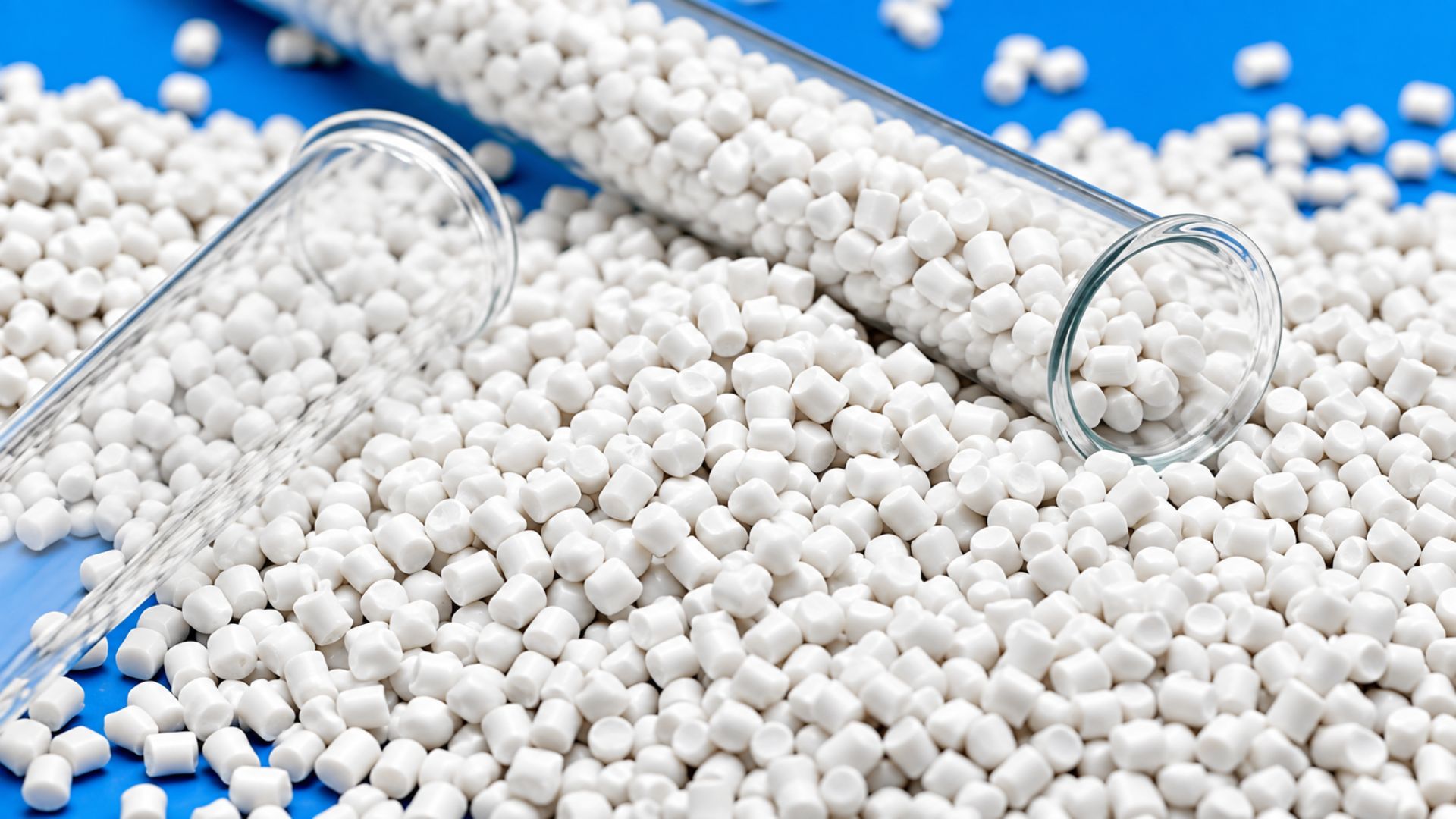
In modern plastic manufacturing, Polypropylene (PP) is widely used because of its versatility, cost efficiency, and processing performance. To further improve the appearance, functionality, and production stability of PP products, manufacturers commonly use PP Masterbatch as it helps achieve consistent color, enhanced properties, cleaner processing, and more effective manufacturing results across various industries. Read more industrial plastic insights from CVN PLASTICS.
What Is PP Masterbatch
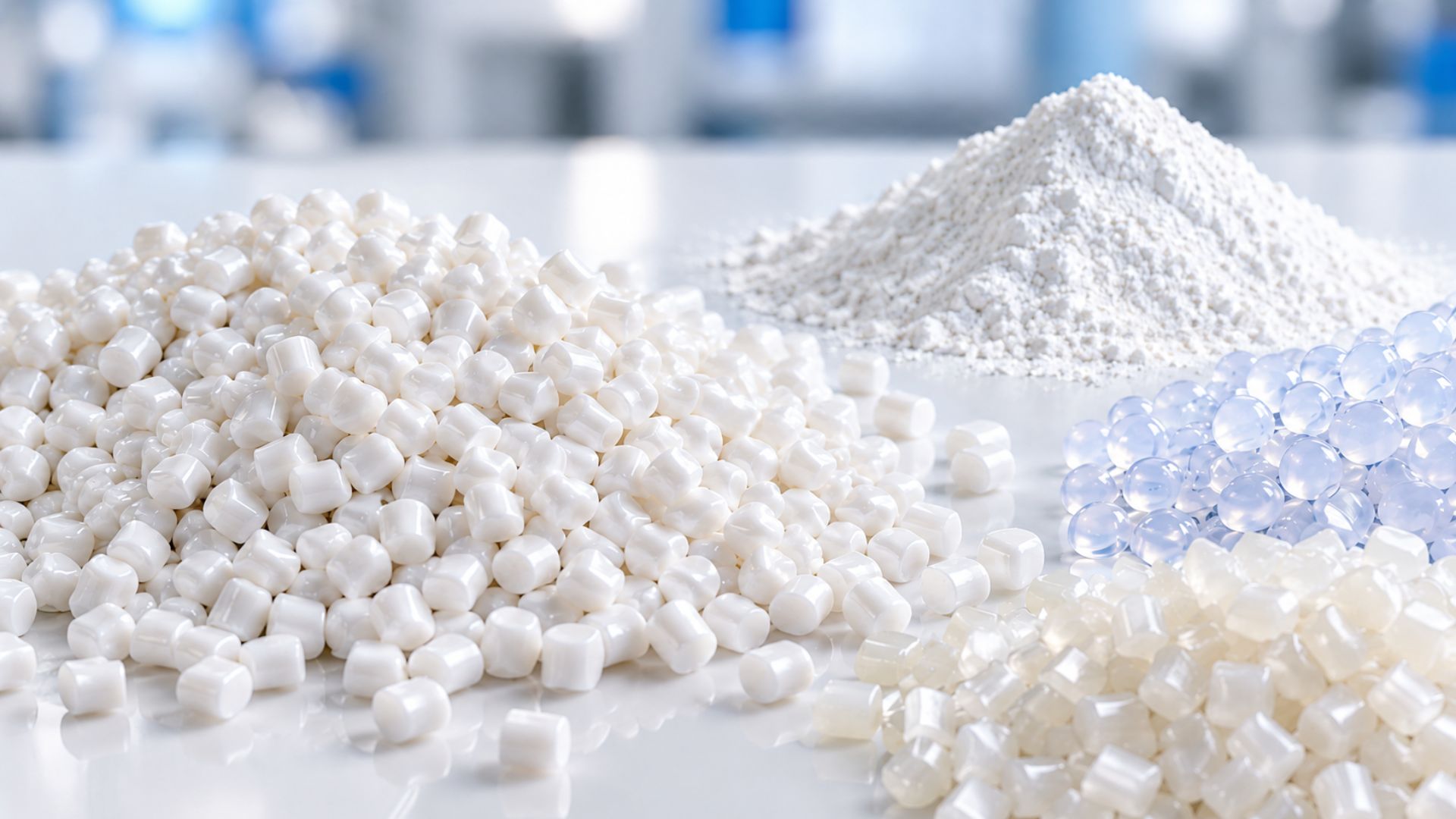
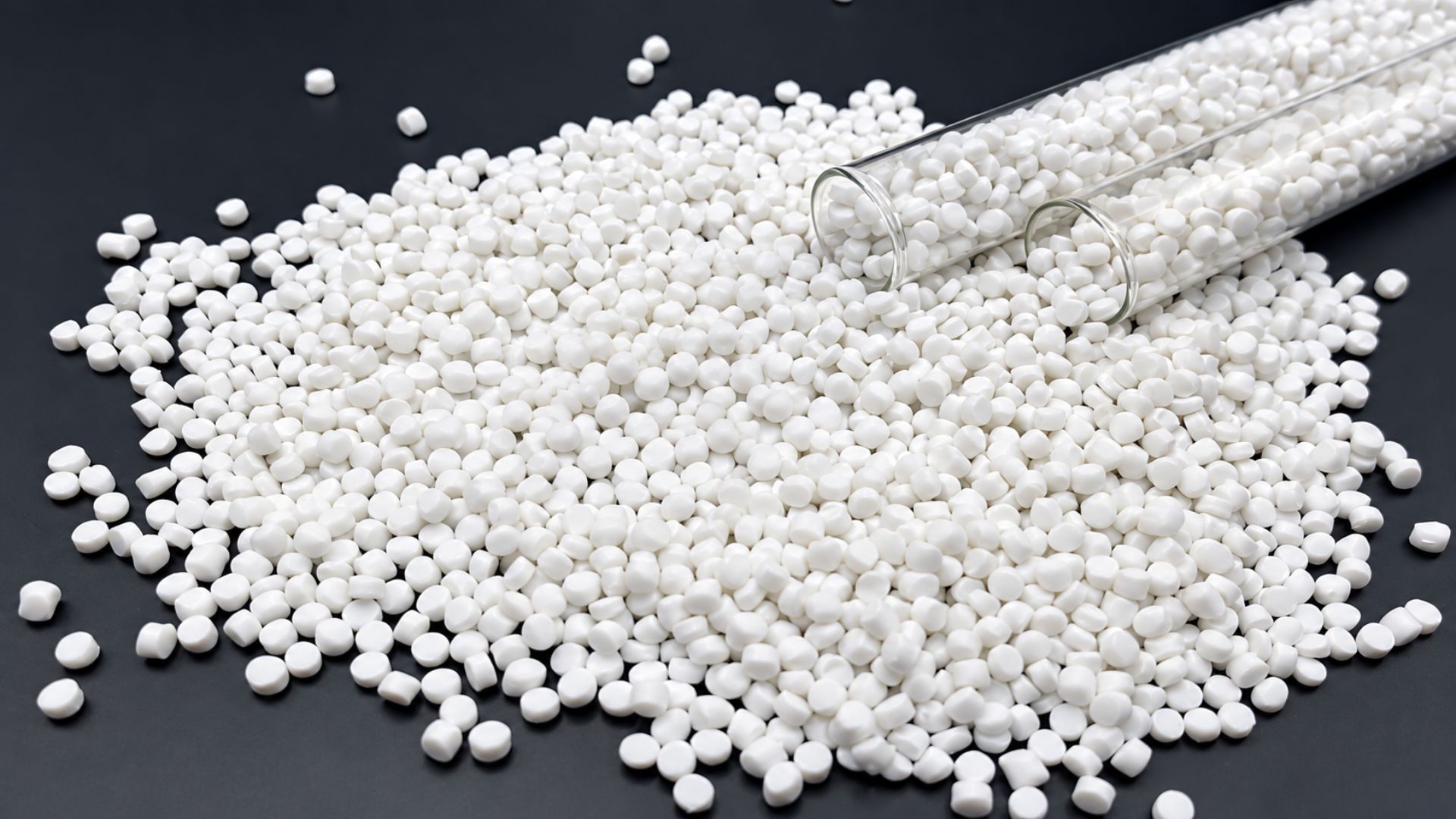
PP Masterbatch is a concentrated solid mixture of pigments and/or functional additives encapsulated into a PP carrier resin through a controlled heat process.

In practical manufacturing, PP Masterbatch is used to improve color consistency, enhance functional performance, simplify dosing, and support stable processing. Instead of handling pigments, fillers, or additives in powder form, manufacturers can use masterbatch pellets to achieve better dispersion, cleaner production, and more predictable results.
Materials Used In PP Masterbatch Production
PP resin
PP resin is the main base material used to carry pigments, fillers, and functional additives in PP Masterbatch. Since the final application usually involves PP resin, using PP helps improve compatibility between the masterbatch and the base resin.
The resin must have suitable melt flow properties, thermal behavior, and processing stability. If the carrier resin is not compatible with the customer’s production resin, the final product may face dispersion issues, surface defects, or inconsistent mechanical performance.
Pigments and Colorants
Pigments and colorants are used to provide the required color in PP Masterbatch. Depending on the product type, these may include organic pigments, inorganic pigments, titanium dioxide for white masterbatch, carbon black for black masterbatch, or customized color pigments.
The selection of pigments depends on several technical requirements, including color strength, heat resistance, light stability, migration resistance, and regulatory compliance. For products used outdoors or in high-temperature processing, pigment stability becomes especially important.
Functional additives
Functional additives are included when the masterbatch is designed to improve specific properties of the final plastic product. These additives may support UV resistance, anti-static performance, slip properties, anti-blocking performance, flame retardancy, oxidation resistance, or processing efficiency.
The dosage and compatibility of functional additives must be carefully controlled. If the formulation is not balanced, the additives may reduce mechanical strength, cause processing instability, or affect the appearance of the final product.
Calcium Carbonate
Calcium carbonate is commonly used in PP Masterbatch, especially in filler masterbatch. It can help reduce raw material cost, improve stiffness, enhance dimensional stability, and support processing performance in certain applications.
However, Calcium carbonate quality has a direct impact on the final product. Important factors include particle size, whiteness, purity, surface treatment, moisture content, and dispersion performance. Poor-quality Calcium carbonate or excessive filler loading may lead to weak mechanical properties, rough surface appearance, or unstable processing.
PP Masterbatch Manufacturing Process
Material selection
The manufacturing process starts with raw material selection. At this stage, technical parameters such as melt flow index, pigment strength, filler particle size, heat stability, moisture level, and compatibility must be evaluated. A good formulation begins with suitable raw materials because masterbatch quality cannot be corrected only by processing conditions.
Mixing and compounding
After raw materials are selected, they are weighed and mixed according to the required formulation. This step helps distribute pigments, additives, and fillers before the material enters the extrusion system.
Proper mixing is important because PP Masterbatch is a concentrated product. Even small inconsistencies in raw material distribution can affect color strength, dispersion, or functional performance in the final application.
Twin screw extrusion
Twin screw extrusion is one of the most important stages in PP Masterbatch production. During extrusion, the PP resin is melted, while pigments, fillers, and additives are dispersed into the polymer matrix under heat and mechanical shear.
Temperature control, screw design, feeding stability, and residence time all influence product quality. If the extrusion temperature is too low, dispersion may be poor. If the temperature is too high, pigments or additives may degrade, causing color change, odor, or reduced performance.
Cooling and pelletizing
After extrusion, the molten compound is cooled and cut into pellets. The cooling process must be controlled to maintain pellet quality and avoid deformation, sticking, or uneven pellet shape.
Pelletizing quality is important for later processing. Uniform pellets allow stable feeding, accurate dosing, and smoother production. Irregular pellet size may cause feeding problems or inconsistent mixing with base resin.
Quality control and testing
Quality control is required to ensure that PP Masterbatch performs consistently in real production. Common tests include dispersion testing, melt flow index, moisture content, color strength, heat resistance, pellet uniformity, and contamination inspection.
For functional masterbatch, additional testing may be needed depending on the intended function. For example, UV masterbatch may require weathering tests, while anti-static or ESD masterbatch may require surface resistance or volume resistance testing.
Key Properties Of PP Masterbatch
Excellent dispersion performance
Dispersion performance is one of the most important properties of PP Masterbatch. Pigments, fillers, and additives must be evenly distributed in the carrier resin so that they can disperse properly into the final PP product.
Poor dispersion can cause color streaks, black specks, weak points, rough surface appearance, or unstable functional performance. In film, sheet, raffia, and injection molding applications, dispersion quality directly affects both appearance and production stability.
Thermal stability
PP Masterbatch must remain stable under processing temperatures. PP is commonly processed through extrusion, injection molding, blow molding, or film production, all of which involve heat and mechanical shear.
If the masterbatch has poor thermal stability, it may cause pigment degradation, color change, odor, material decomposition, or surface defects. Thermal stability is especially important for products requiring high processing temperatures or long residence times in the machine.
UV Resistance
UV resistance is important for PP products used outdoors or exposed to sunlight. PP can degrade under ultraviolet radiation, leading to brittleness, discoloration, and shorter product life.
PP Masterbatch with suitable UV additives can help improve resistance to sunlight exposure. However, the actual performance depends on the type of UV stabilizer, dosage level, product thickness, application environment, and final formulation.
High compatibility with PP resin
Since PP Masterbatch uses PP as the carrier resin, it generally has good compatibility with PP base resin. This helps improve melting behavior, dispersion, and processing stability.
However, compatibility should still be checked based on the customer’s resin grade and production process. Differences in melt flow index, additive loading, and processing conditions may affect the final result.
Improved processing efficiency
A well-formulated PP Masterbatch can help improve processing efficiency by supporting smoother feeding, better dispersion, cleaner handling, and more stable production.
Compared with the direct use of powder pigments or additives, masterbatch pellets are easier to dose and less likely to create dust contamination. This can help reduce production variation and improve operational control.
Applications Of PP Masterbatch In Different Industries

Packaging Industry
PP Masterbatch is widely used in the packaging industry for products such as containers, caps, closures, packaging boxes, woven packaging, flexible packaging, and thin-wall packaging items.
In packaging applications, masterbatch helps control color, opacity, stiffness, UV resistance, and processing behavior. For food-contact or consumer packaging, regulatory compliance and cleanliness are also important selection factors.
Household Products
Household products made from PP often require stable color, good surface appearance, and acceptable mechanical strength. PP Masterbatch is commonly used in storage boxes, buckets, baskets, trays, hangers, kitchenware, and other daily-use plastic items.
For these products, the masterbatch must provide good dispersion and consistent color between production batches. Poor color uniformity can cause visible differences in finished goods, especially when products are sold as sets.
Automotive Components
PP is commonly used in automotive components because of its low weight, processability, and cost efficiency. PP Masterbatch may be used in interior trims, under-the-hood components, non-structural parts, and technical plastic components.
Automotive applications often require more controlled performance, including heat resistance, UV resistance, color stability, and mechanical consistency. Therefore, the selected masterbatch must be compatible with both the resin system and the performance requirements of the part.
Woven Bags And Raffia Products
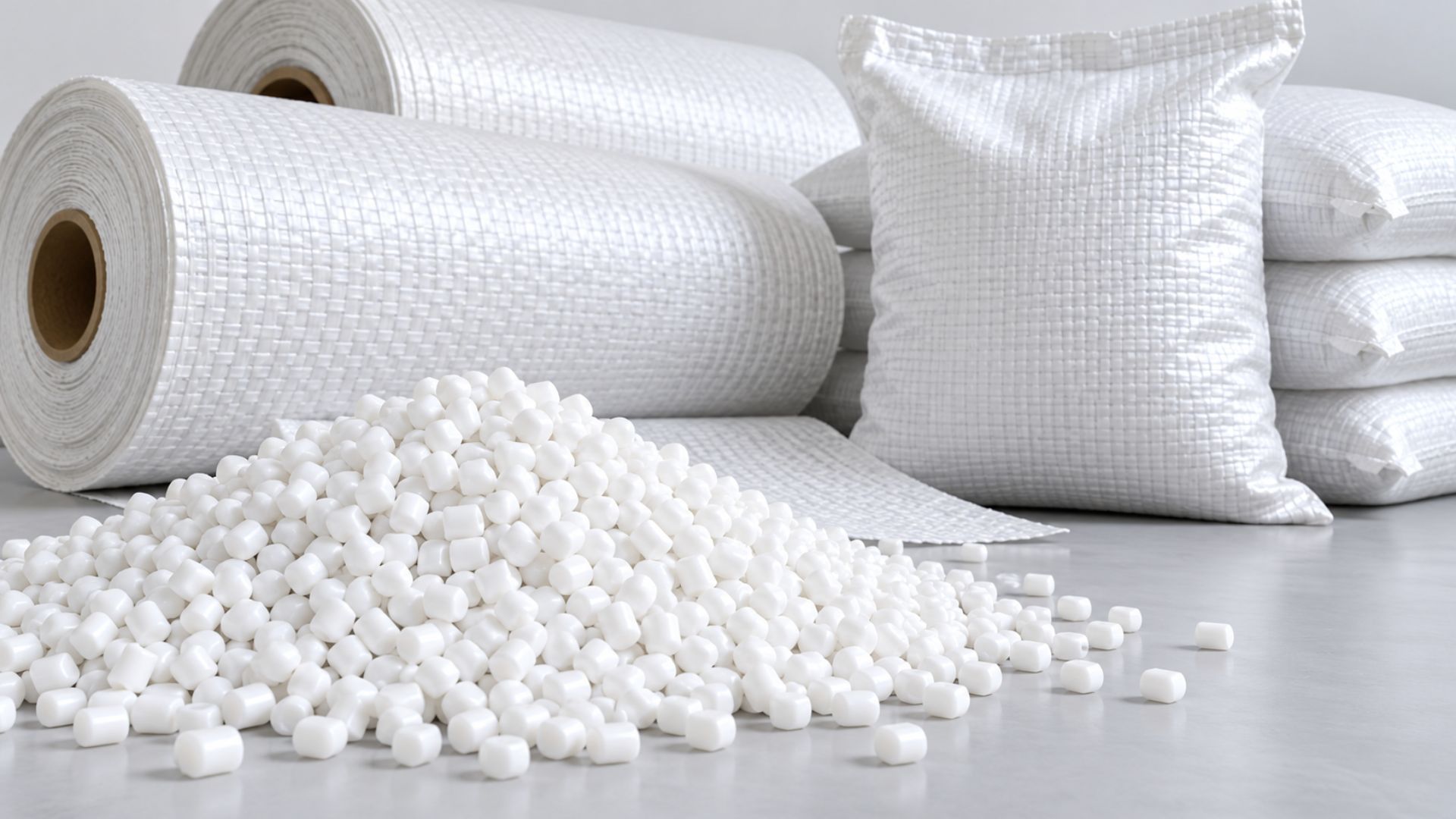
PP Masterbatch is widely used in woven bags, raffia tapes, sacks, and related woven packaging products. These applications usually require stable extrusion, good tape strength, controlled color, and consistent processing performance.
For woven bag production, filler masterbatch is also commonly used to optimize cost and improve stiffness. However, the filler level must be carefully adjusted because excessive filler content may reduce tape strength or cause breakage during stretching.
Film And Sheet Production
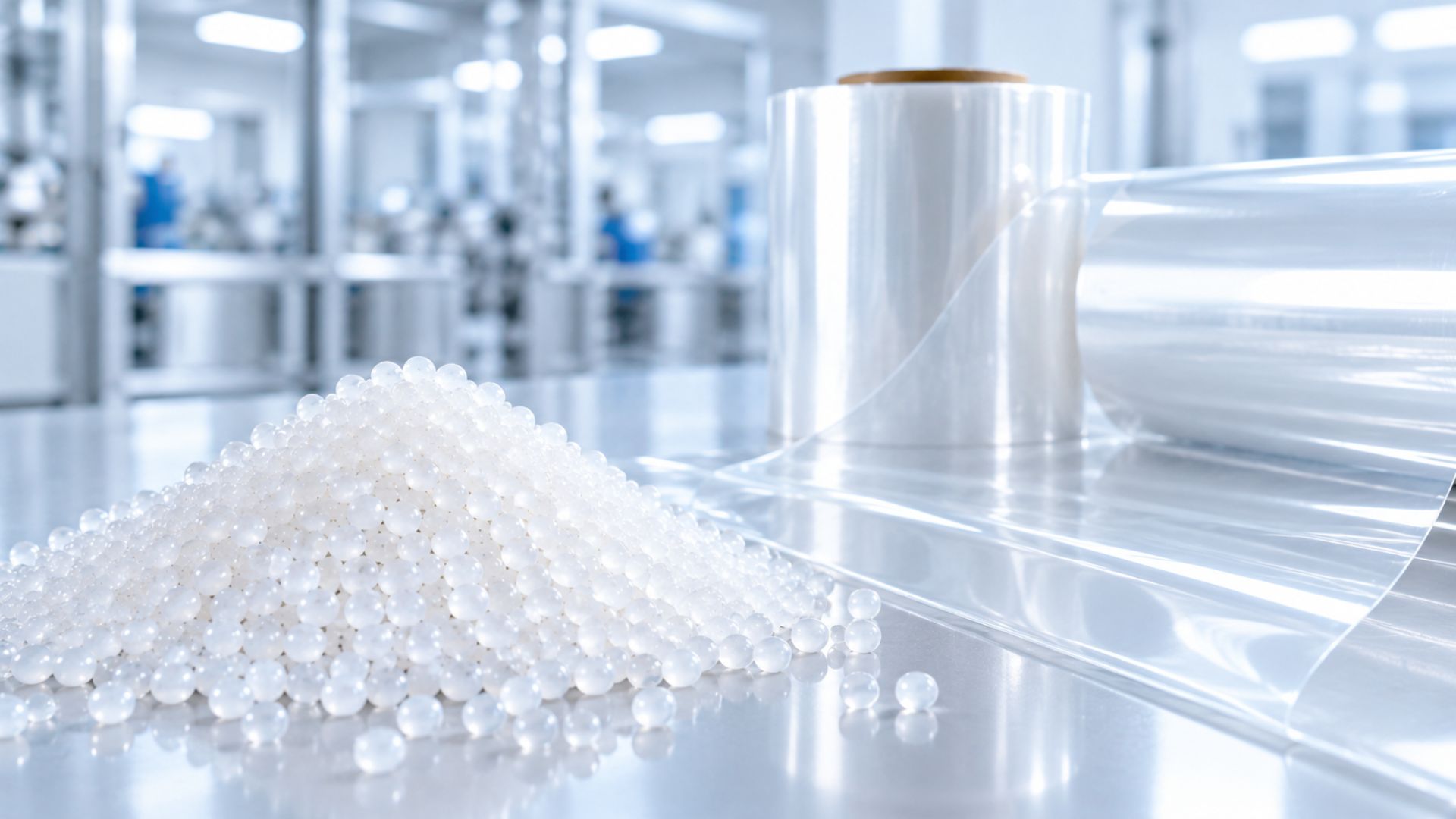
PP Masterbatch is also used in film and sheet production, where appearance and processing consistency are very important. Film and sheet applications may require color, opacity, anti-blocking performance, slip properties, UV resistance, or other functional improvements.
Because film and sheet products are often thin, defects are easier to observe. For this reason, dispersion quality, contamination control, and filterability are critical when selecting PP Masterbatch for these applications.
Advantages Of Using PP Masterbatch
Consistent product quality
PP Masterbatch helps manufacturers maintain consistent product quality by providing controlled pigment and additive concentration. This supports stable color, uniform appearance, and predictable performance across production batches.
Consistency is especially important for manufacturers producing large volumes or supplying customers with strict quality requirements. A stable masterbatch reduces variation and makes production easier to control.
Cost optimization
PP Masterbatch can support cost optimization in several ways. Filler masterbatch may reduce the use of virgin resin, while color and additive masterbatch can reduce waste caused by poor dispersion or incorrect dosing.
However, cost optimization should not only focus on reducing raw material cost. Manufacturers should also consider production efficiency, defect rate, mechanical performance, and customer requirements. A cheaper masterbatch may increase total cost if it causes instability or product failure.
Improved production efficiency
Masterbatch pellets are easier to handle, store, and dose compared with powder pigments or additives. This helps reduce dust, improve workplace cleanliness, and support more stable feeding into processing machines.
Better production efficiency also comes from improved dispersion and reduced adjustment time. When the masterbatch performs consistently, operators can maintain stable processing conditions more easily.
Enhanced functional performance
PP Masterbatch can also enhance functional performance by incorporating additives into the resin system. Depending on the formulation, it can improve UV resistance, anti-static behavior, slip performance, anti-blocking properties, flame resistance, or processing stability.
Functional performance must be evaluated under real production and application conditions. Laboratory results are useful, but final performance depends on resin grade, dosage, processing temperature, product design, and end-use environment.
Important Factors When Choosing PP Masterbatch
Compatibility with base resin
Compatibility with the base PP resin is one of the first factors to evaluate. The masterbatch must melt, mix, and disperse properly in the customer’s processing system.
If compatibility is poor, the final product may show uneven color, weak mechanical performance, surface defects, or unstable processing. Melt flow index and carrier resin type should be checked before full-scale production.
Dispersion quality
Dispersion quality determines how well pigments, fillers, and additives are distributed in the final product. Good dispersion supports consistent appearance, stable function, and fewer defects.
Manufacturers should evaluate dispersion through trial production, filter pressure testing, film inspection, or finished product assessment, depending on the application. This is especially important for film, sheet, fiber, raffia, and thin-wall products.
Heat resistance requirements
Heat resistance is important when the product is processed at high temperatures or exposed to heat during use. Pigments and additives must remain stable without degradation, discoloration, or loss of function.
Before choosing a PP Masterbatch, manufacturers should consider processing temperature, residence time, and the thermal sensitivity of the final application. This helps prevent quality issues during production.
Regulatory compliance
Regulatory compliance is necessary for products used in food packaging, medical packaging, toys, household products, or export markets with specific standards. The masterbatch formulation must meet the relevant requirements for restricted substances, heavy metals, migration, or food contact safety where applicable.
Common Problems In PP Masterbatch Applications And Solutions
Poor color dispersion
Poor color dispersion may appear as color streaks, uneven shade, pigment spots, or inconsistent appearance in the finished product. This can be caused by low-quality pigments, weak compounding, poor compatibility, incorrect dosing, or insufficient mixing during processing.
To reduce this problem, manufacturers should check masterbatch dispersion quality, confirm the recommended dosage, adjust processing temperature, and ensure that the masterbatch is compatible with the base resin. Trial production is important before large-scale use.
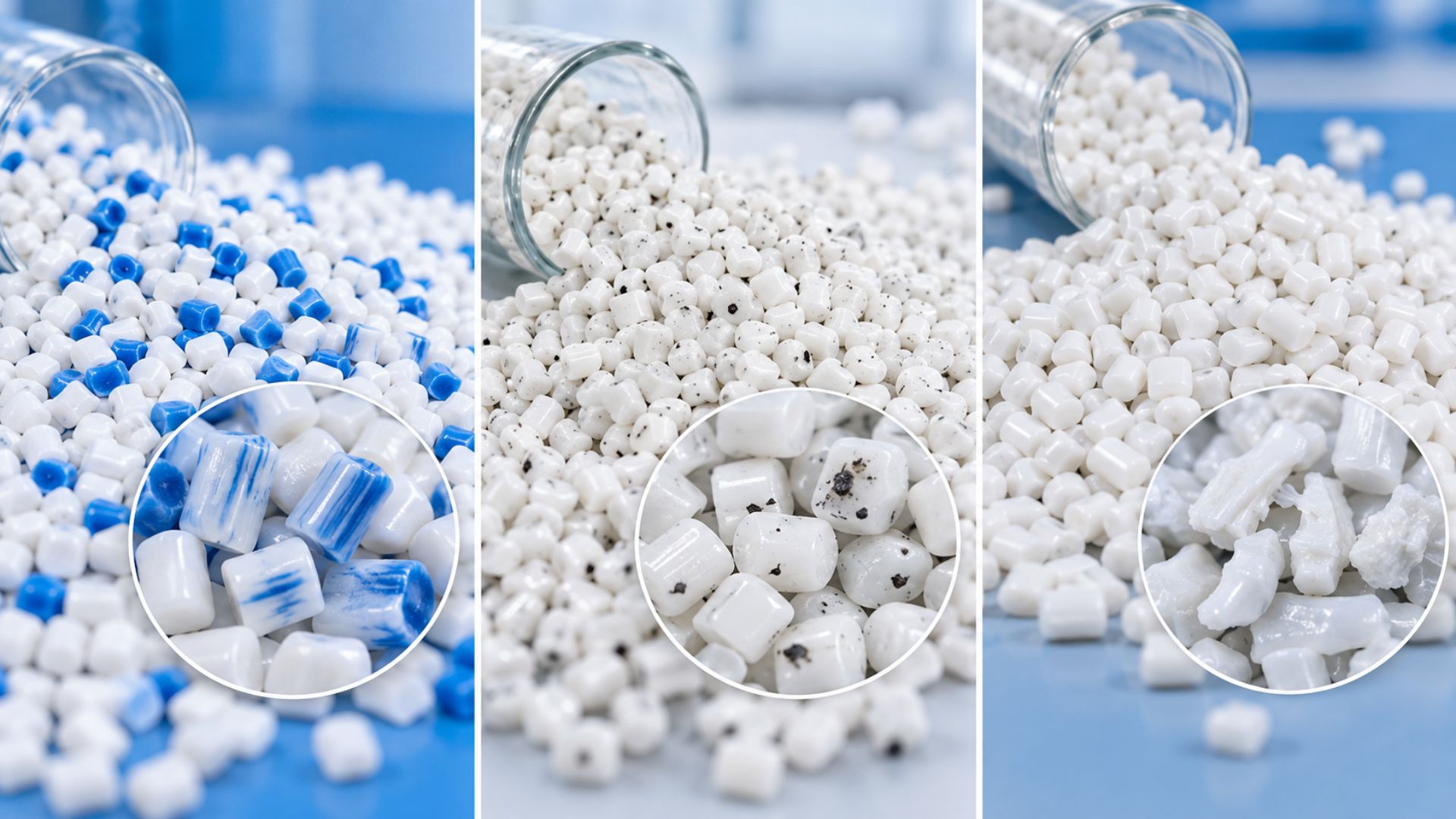
Black specks and contamination
Black specks and contamination are common quality problems in plastic production. They may come from degraded material, dirty equipment, contaminated raw materials, burnt residue inside the extruder, or poor filtration during masterbatch production.
The solution requires both material and process control. Manufacturers should clean equipment regularly, control processing temperature, check raw material cleanliness, and work with suppliers that maintain proper contamination control during production.
Processing instability
Processing instability may include unstable melt flow, die build-up, feeding problems, screw slipping, pressure fluctuation, or inconsistent output. These issues can be related to masterbatch formulation, moisture content, incompatible carrier resin, excessive filler loading, or unsuitable processing conditions.
To solve this issue, manufacturers should review the formulation, check the moisture level, adjust processing parameters, and confirm the proper let-down ratio. In some cases, a different masterbatch grade may be required for the specific processing method.
Conclusion
PP Masterbatch is an important material for PP processing because it helps manufacturers control color, improve functionality, support processing efficiency, and maintain consistent product quality. Its performance depends on raw material selection, formulation design, compounding quality, dispersion performance, and compatibility with the base resin.
When choosing PP Masterbatch, manufacturers should not evaluate only price. They should also consider dispersion quality, heat resistance, regulatory compliance, supplier reliability, and real production performance. A suitable PP Masterbatch can help reduce production problems, improve product consistency, and support more stable manufacturing across different industries.