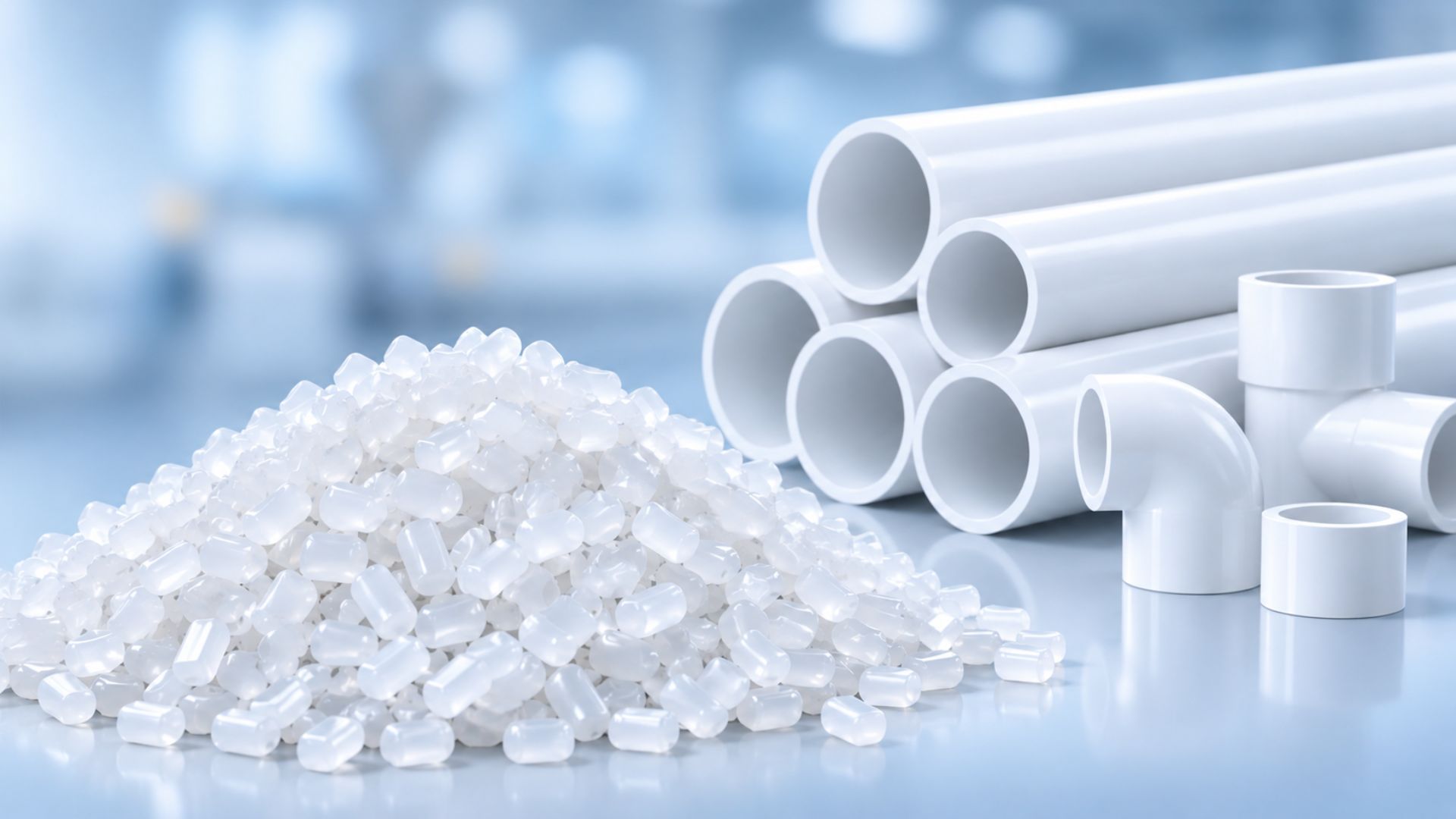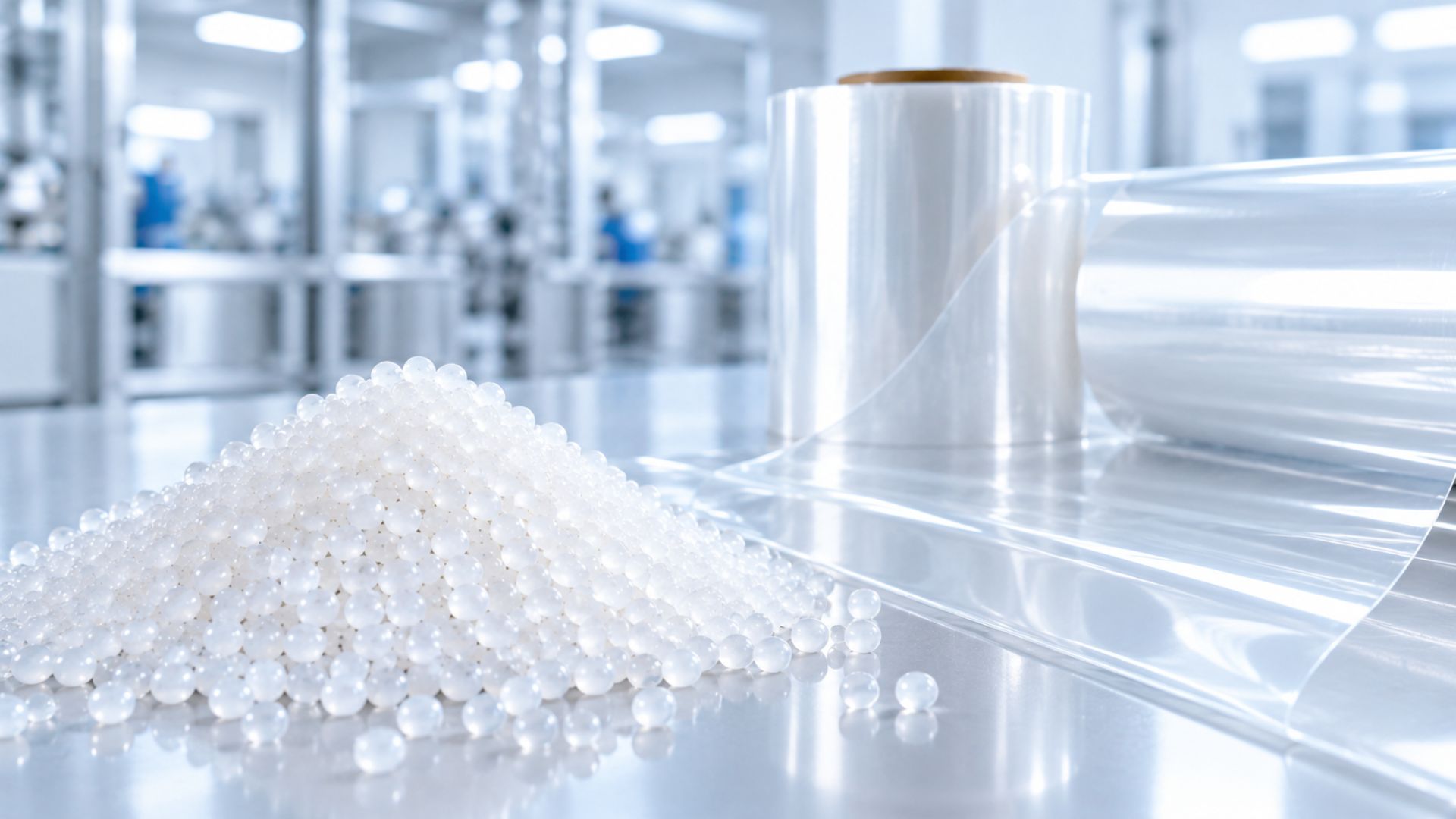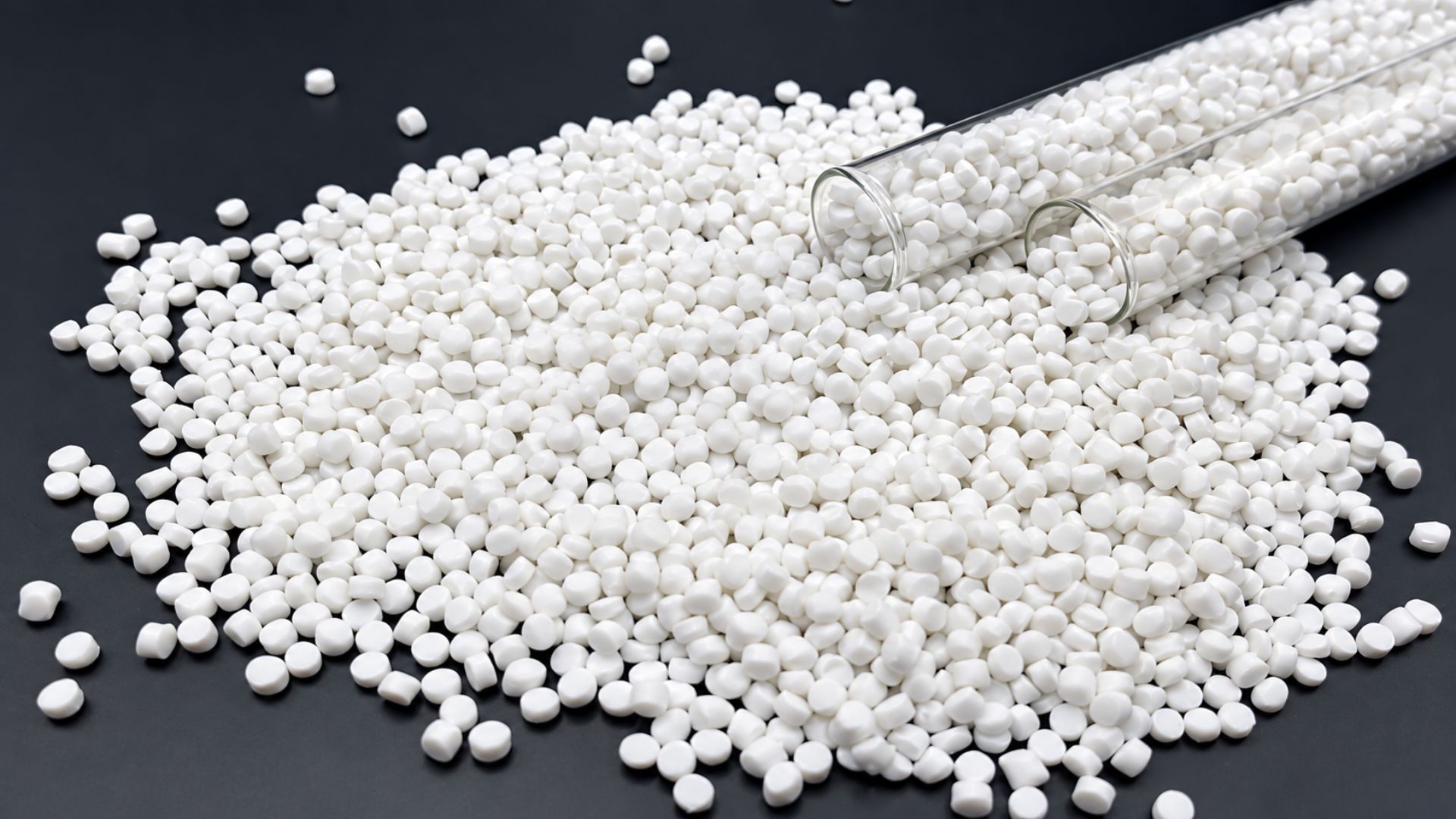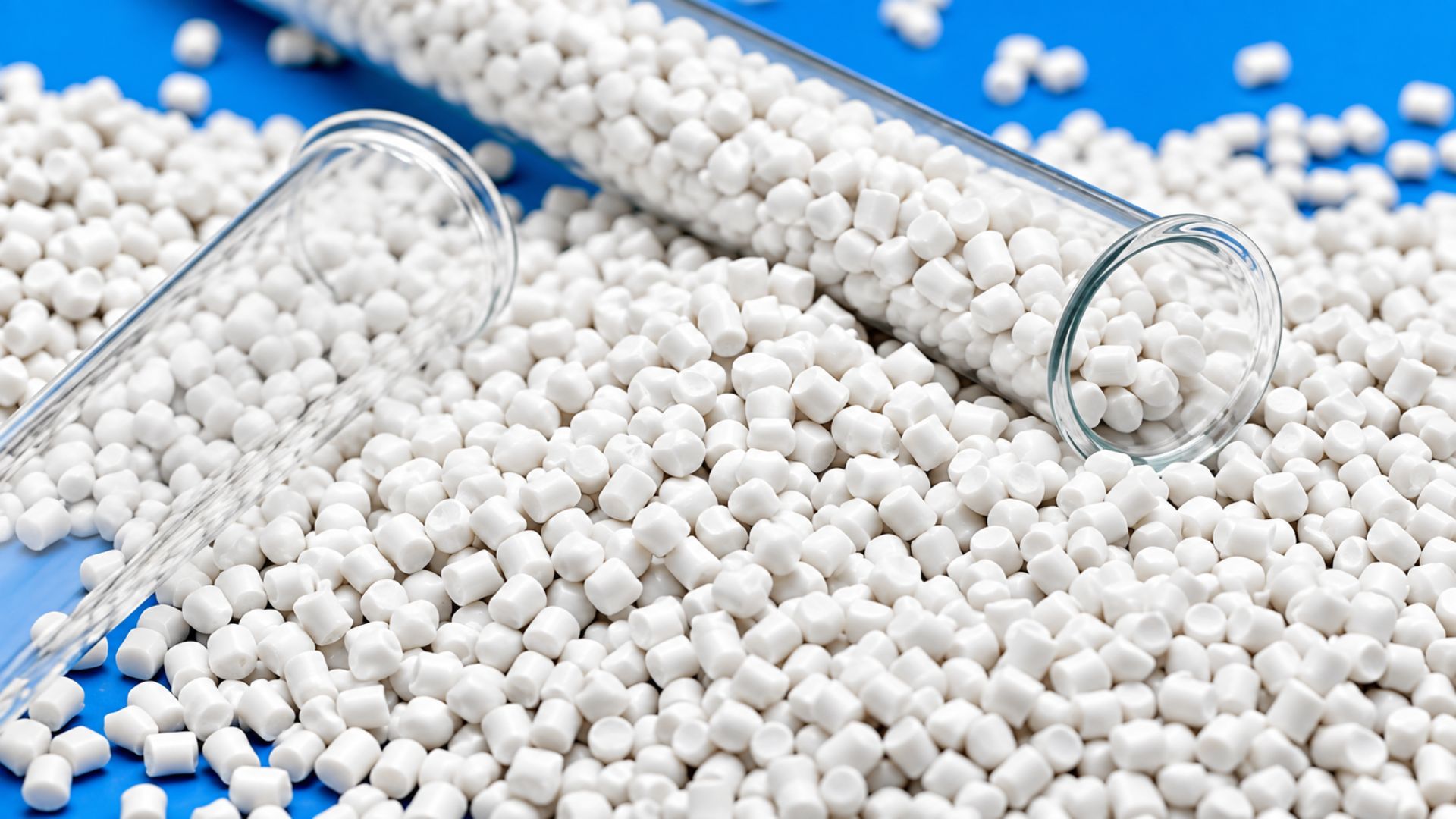
Plastic pipes are widely used in water distribution, gas transportation, irrigation, and industrial piping systems because of their corrosion resistance, flexibility, and long-term durability. However, exposure to high processing temperatures, oxygen, and environmental stress can gradually affect polymer stability and mechanical performance. Antioxidant masterbatch for pipes plays an important role in controlling oxidative degradation, protecting polymer properties during extrusion, and supporting long-term material reliability. In this article, CVN PLASTICS explores the science behind antioxidant stabilization, applications in pipe manufacturing, and the technical factors that determine its effectiveness.
Understanding Antioxidant Masterbatch In Pipe Manufacturing
What Is Antioxidant Masterbatch?
Antioxidant masterbatch for pipes is a concentrated additive formulation designed to protect polymer materials against oxidative degradation during processing and service. It typically consists of one or more antioxidant compounds dispersed in a compatible polymer carrier, such as Polyethylene (PE) or Polypropylene (PP). The masterbatch is incorporated into the base resin during pipe extrusion to distribute the stabilizing additives throughout the material.
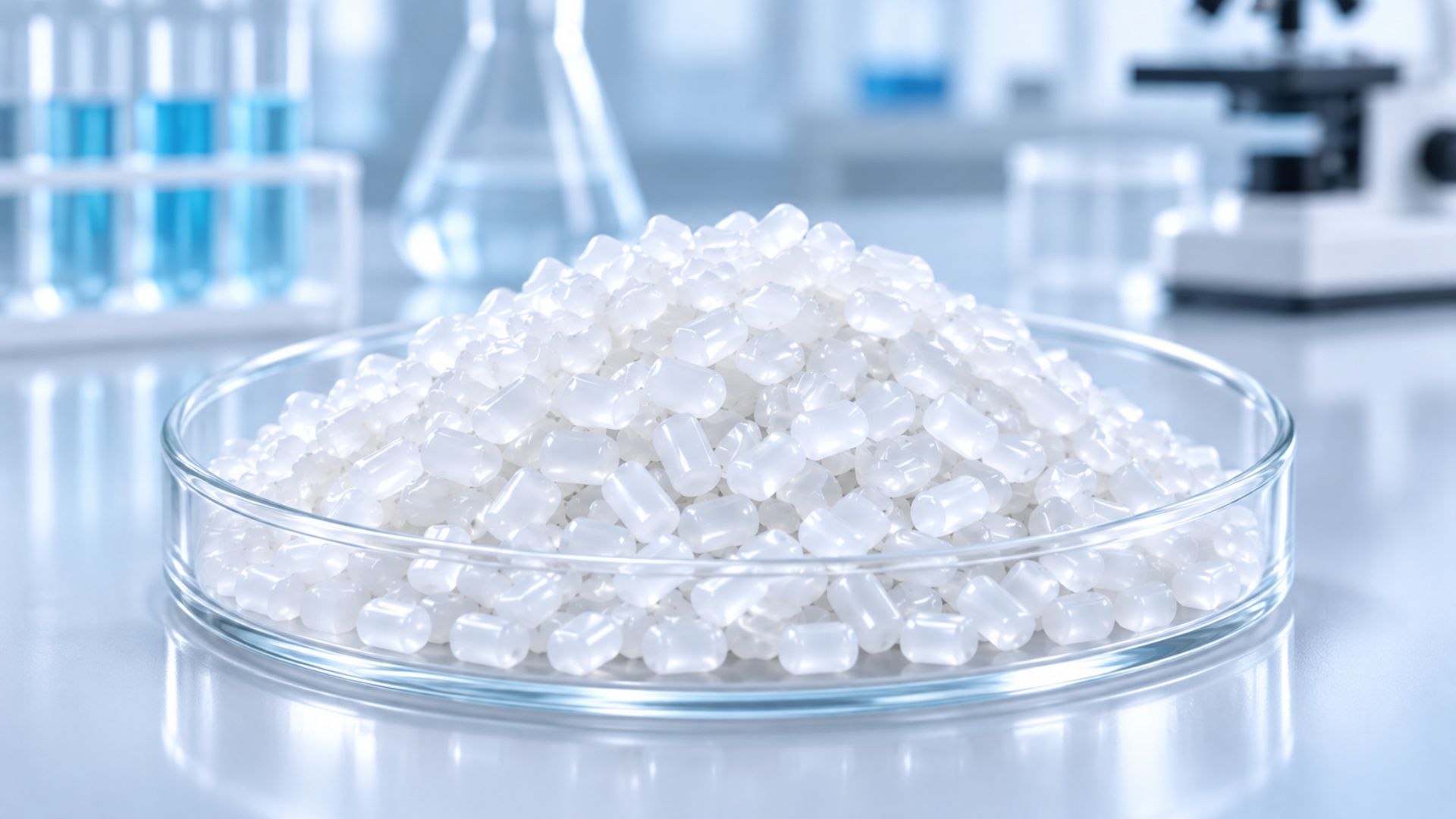
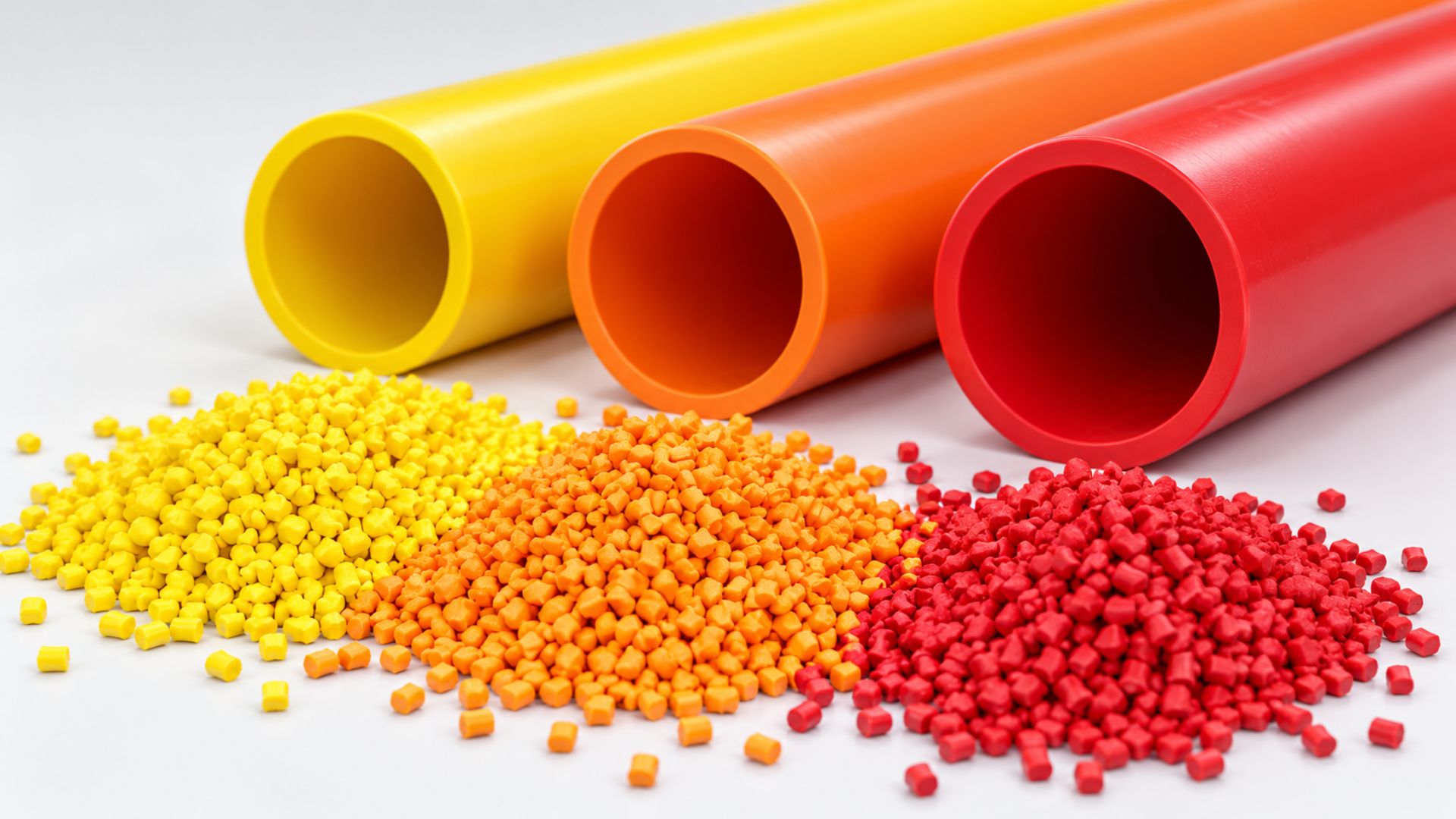
Unlike conventional color masterbatches, which primarily modify the appearance of plastic products, antioxidant masterbatches perform a protective function at the molecular level. Its active components interfere with oxidation reactions that can damage polymer chains and gradually change material properties. The effectiveness of antioxidant masterbatches for pipes depends on the antioxidant chemistry, active concentration, polymer compatibility, and processing conditions.
Why Antioxidant Stabilization Matters In Plastic Pipes
PE and PP are widely used in pipe manufacturing because their molecular structures provide useful combinations of toughness, chemical resistance, and processability. Nevertheless, these polymers can undergo oxidation when exposed to heat and oxygen. During extrusion, elevated temperatures can accelerate chemical reactions that affect molecular structure, particularly when processing conditions are poorly controlled.
Antioxidant masterbatch for pipes helps limit these reactions by introducing stabilizers that interrupt oxidative degradation pathways. This protection is especially relevant to pressure pipes, where material consistency and resistance to long-term deterioration are important. Although antioxidants do not independently determine pipe service life, they help preserve the polymer properties required for reliable performance.
Antioxidant Masterbatch vs Conventional Antioxidant Additives
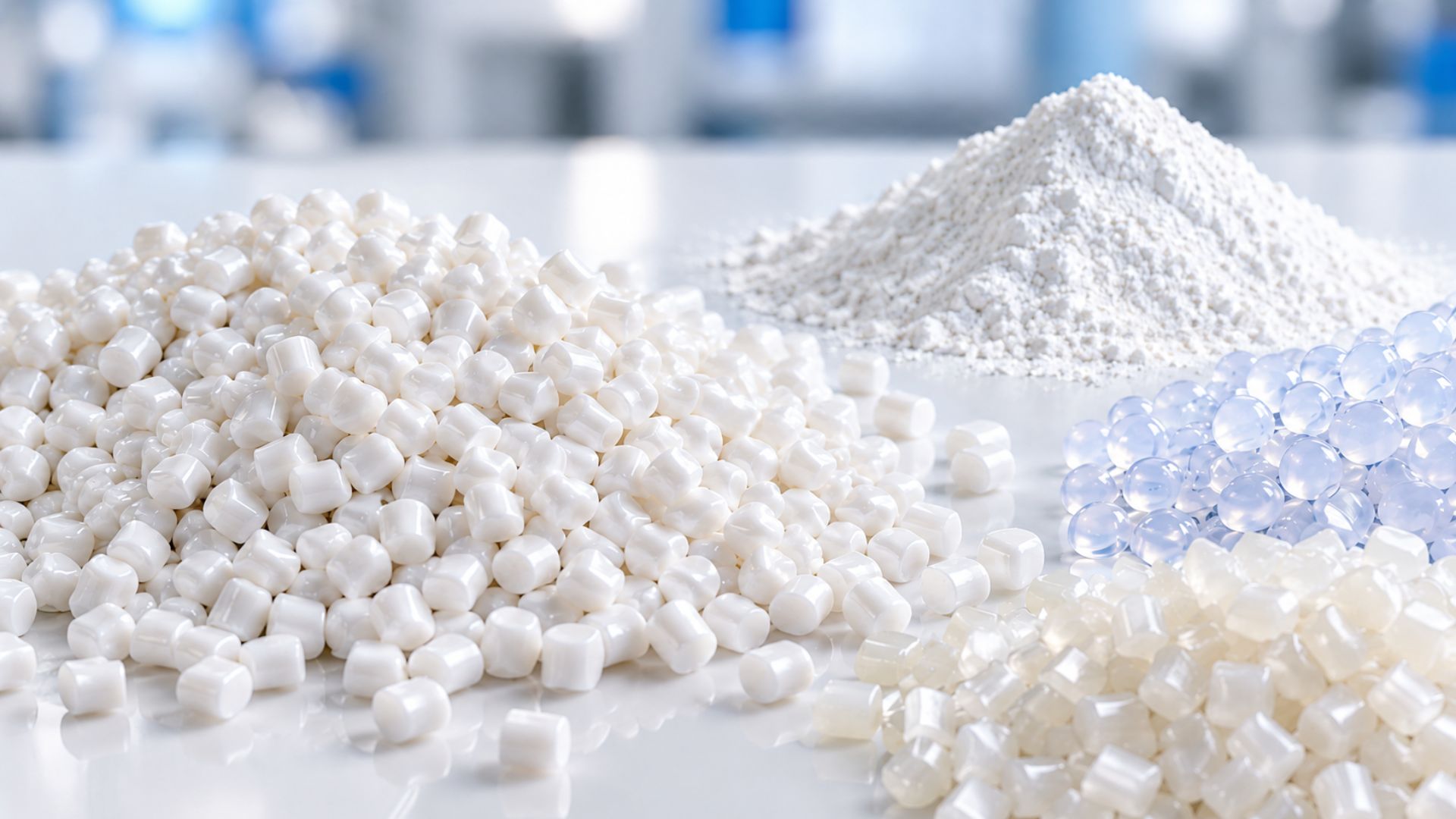
Antioxidants can be introduced into plastic formulations as individual powder additives, liquid formulations, or concentrated masterbatches. Conventional antioxidants provide stabilization directly, but their incorporation requires suitable feeding equipment, accurate dosing, and effective mixing. Inadequate dispersion may lead to uneven additive distribution and inconsistent material performance.
Antioxidant masterbatch for pipes offers an alternative delivery method by incorporating stabilizers into polymer pellets before final processing. This form can simplify handling, reduce powder-related feeding difficulties, and improve dosing consistency when the masterbatch is properly designed. However, its performance still depends on the concentration and distribution of active antioxidants, rather than the physical form of the additive alone.
Oxidative Degradation Mechanisms In Plastic Pipes
Thermo-Oxidative Degradation During Pipe Extrusion
Pipe extrusion subjects polymers to elevated temperatures, mechanical shear, and continuous material flow. These conditions are necessary to melt the resin and form a uniform pipe structure, but excessive thermal exposure can initiate degradation reactions. Oxygen entering the processing system can react with unstable molecular sites, contributing to changes in polymer structure and melt behavior.
In PE, oxidation may cause chain scission, branching, or crosslinking, depending on the resin structure and processing environment. PP is particularly sensitive to oxidative chain scission because its molecular structure contains tertiary carbon atoms that are relatively susceptible to radical formation. Antioxidant masterbatch for pipes helps control these reactions by reducing the activity of reactive species formed during thermal processing.
Free Radical Formation And Polymer Chain Degradation
Polymer oxidation commonly follows a free radical chain mechanism involving initiation, propagation, and termination. During initiation, heat, mechanical stress, or other factors may generate polymer radicals. These radicals react rapidly with oxygen to form peroxy radicals, which can extract hydrogen atoms from neighboring polymer chains and produce hydroperoxides.
Hydroperoxides are important intermediates because they can decompose into additional reactive radicals, allowing oxidation to accelerate. As these reactions continue, the polymer may experience changes in molecular weight, molecular weight distribution, and chemical structure. Antioxidant masterbatch for pipes is formulated to limit this chain reaction before significant degradation develops.
How Oxidation Affects Mechanical Strength
Oxidative degradation can affect the mechanical behavior of plastic pipes by altering the molecular structure responsible for their strength and flexibility. Chain scission may reduce molecular weight and weaken the material’s ability to withstand deformation. Under certain conditions, oxidation can also contribute to embrittlement, reducing resistance to crack initiation and propagation.
For pressure pipes, these changes are particularly important because the material must maintain its mechanical integrity under sustained internal pressure. Oxidative damage can contribute to reduced ductility and premature cracking when combined with environmental stress and unfavorable operating conditions. Proper stabilization helps preserve material properties, although pipe performance also depends on resin quality, extrusion conditions, pipe design, and installation.
Environmental Factors Accelerating Oxidative Aging
Oxidative aging continues after production, although its rate depends strongly on the operating environment. Elevated temperatures generally accelerate oxidation reactions, while oxygen availability influences the extent of degradation. Exposure to ultraviolet radiation may also initiate photo-oxidative reactions in inadequately protected materials.
In water distribution systems, disinfectants such as chlorine and chlorine dioxide can create additional oxidative challenges, particularly at the internal pipe surface. Their effects depend on disinfectant concentration, temperature, water chemistry, and exposure duration. Antioxidant masterbatch for pipes must therefore be evaluated against the intended service environment rather than selected solely on the basis of processing stability.
How Antioxidant Masterbatch Works
Interrupting Free Radical Chain Reactions
Primary antioxidants are commonly used to interrupt the propagation stage of polymer oxidation. Hindered phenolic antioxidants, such as Irganox 1010 and Irganox 1076, are widely recognized examples of this group. They act as radical scavengers by donating hydrogen atoms to reactive radicals, particularly peroxy radicals, and converting them into less reactive species.
The antioxidant-derived radicals formed during this process are relatively stable and less likely to continue the oxidation chain reaction. By reducing radical activity, primary antioxidants help limit molecular damage during processing and subsequent exposure. In antioxidant masterbatches for pipes, these compounds are particularly valuable for maintaining oxidative stability in PE and PP formulations.
Decomposing Hydroperoxides
Secondary antioxidants perform a complementary function by reacting with hydroperoxides before they break down into additional free radicals. Phosphite-based antioxidants, including tris (2,4-di-tert-butylphenyl) phosphite, commonly known as AO 168, are frequently used for this purpose. Their activity is particularly relevant during high-temperature melt processing.
Phosphites convert hydroperoxides into more stable products while undergoing oxidation themselves. This reaction reduces the formation of new radicals and helps protect the polymer during extrusion. However, phosphite effectiveness can be affected by hydrolysis, handling conditions, and interactions with other formulation ingredients.
Synergistic Effects Of Primary And Secondary Antioxidants
Primary and secondary antioxidants target different stages of the oxidation process. Primary antioxidants suppress radical propagation, while secondary antioxidants reduce the concentration of hydroperoxides that can generate additional radicals. When combined appropriately, these stabilizers can provide more effective protection than either component alone.
For this reason, antioxidant masterbatch for pipes frequently incorporate a combination of phenolic and phosphite antioxidants. The balance between them depends on the polymer type, extrusion temperature, residence time, and required long-term stability. A formulation optimized for short-term processing protection may not necessarily provide the best antioxidant retention during extended service.
Antioxidant Depletion And Long-Term Stabilization Efficiency
Antioxidants are gradually consumed through chemical reactions during processing and service. They may also be lost through migration, extraction, or volatilization, depending on their molecular structure and surrounding environment. As the concentration of effective stabilizers decreases, the polymer becomes progressively less protected against oxidation.
The initial antioxidant content is therefore only one factor governing long-term stabilization. Manufacturers must also consider how much antioxidant remains after extrusion and how quickly the stabilizer system may be depleted under operating conditions. Antioxidant masterbatch for pipes should be designed to provide sufficient processing protection while retaining an appropriate stabilization reserve for the intended application.
Key Components And Formulation Of Antioxidant Masterbatch
Carrier Resin Selection And Polymer Compatibility
The carrier resin plays an important role in the performance of antioxidant masterbatch for pipes because it influences additive dispersion, melting behavior, and compatibility with the base polymer. PE-based carriers are commonly considered for PE pipe applications, while PP-based carriers are generally more suitable for PP systems.
A compatible carrier supports the distribution of antioxidants without introducing unnecessary changes to the pipe compound. However, compatibility should not be judged by polymer family alone. Differences in melt flow behavior, molecular structure, carrier concentration, and processing temperature may affect how the masterbatch interacts with the base resin. For pressure-rated pipes, any additional carrier must also be considered in relation to the approved compound formulation.
Antioxidant Concentration, Dispersion And Distribution
The active antioxidant concentration determines how much stabilizer is delivered through a given masterbatch dosage. A concentrated formulation can reduce the quantity of carrier resin introduced, but the required addition rate must be calculated according to the actual active content. Masterbatch dosage and final antioxidant concentration are not interchangeable measurements.
For example, adding 1% of a masterbatch containing 20% total active antioxidants produces a nominal antioxidant addition of 0.2% by weight, or approximately 2,000 ppm, before accounting for any antioxidants already present in the base resin. This is a calculation example rather than a recommended dosage. The appropriate concentration must be established through formulation trials and performance testing.
Uniform dispersion is equally important because localized antioxidant concentrations can produce differences in oxidative stability across a pipe wall. Poor mixing may leave some regions less protected, even when the overall additive concentration is sufficient. Effective antioxidant masterbatch for pipes therefore requires suitable compounding conditions, consistent pellet quality, and controlled feeding during extrusion.
Formulation Considerations For Different Pipe Materials
Different polymers require different stabilization strategies because their molecular structures and degradation behavior are not identical. HDPE formulations often emphasize a balance between processing stability and long-term antioxidant retention, while PP systems may require greater attention to oxidative chain scission during high-temperature processing.
The stabilizer system must also account for additives already present in commercial pipe resins, including pigments, carbon black, and processing aids. Certain additives can influence antioxidant performance through chemical interactions or changes in dispersion. Consequently, the formulation of antioxidant masterbatch for pipes should be based on the complete pipe compound rather than the antioxidant package considered in isolation.
Applications Of Antioxidant Masterbatch In Plastic Pipe Production
Antioxidant masterbatch for pipes is primarily relevant to polyolefin piping systems, particularly those manufactured from HDPE, other PE grades, and PP. In HDPE water supply and pressure pipes, antioxidant stabilization helps protect the polymer during extrusion and supports resistance to oxidative aging during service. These requirements are important because water distribution pipes must maintain stable material properties over extended operating periods.
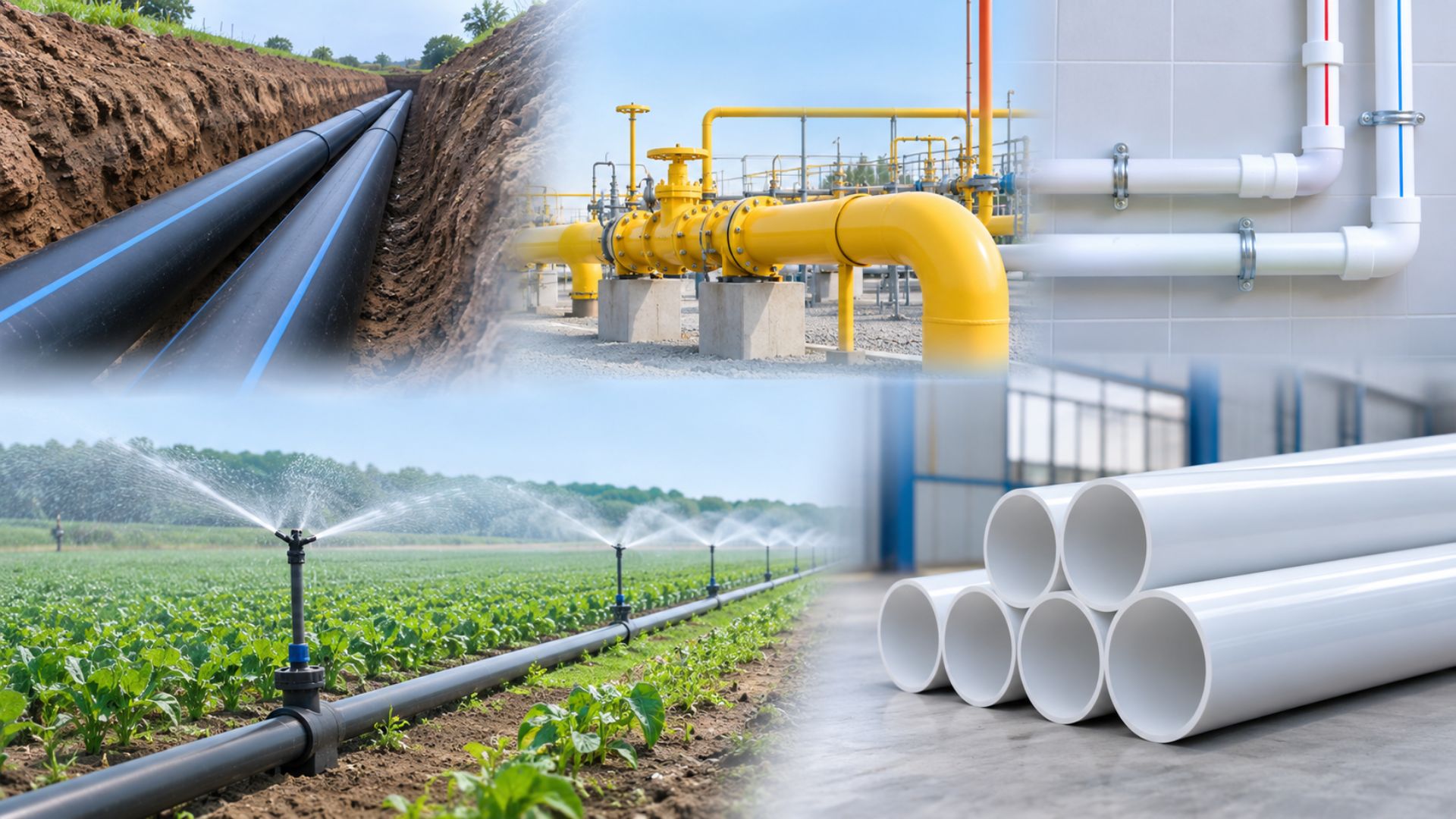
PE gas distribution pipes also require carefully controlled stabilization systems. Their performance depends on the integrity of the complete pipe compound, including resistance to slow crack growth, long-term pressure loading, and environmental exposure. Antioxidants contribute to material stability, but they cannot compensate for unsuitable resin grades or inadequate mechanical performance.
In PP pipes used for hot and cold water systems, antioxidant protection is particularly relevant because elevated service temperatures can accelerate oxidative reactions. Irrigation, drainage, and industrial piping systems may face additional challenges related to heat, sunlight, and chemical exposure. The appropriate stabilizer package therefore depends on the actual operating conditions rather than the pipe application name alone.
PVC pipes require a different technical approach. Unlike PE and PP, PVC degradation during processing is strongly associated with dehydrochlorination and the release of hydrogen chloride. PVC formulations therefore rely primarily on dedicated heat stabilizer systems, often supported by other additives. Although antioxidants may serve supplementary functions in certain PVC compounds, antioxidant masterbatch for pipes should not be presented as a universal replacement for conventional PVC heat stabilizers.
How Antioxidant Masterbatch Influences Pipe Performance
Improving Thermal Stability During Extrusion
Thermal stability is one of the most immediate benefits of properly formulated antioxidant masterbatch for pipes. During extrusion, the polymer is exposed to high temperatures while passing through the screw, barrel, and die. These conditions can accelerate oxidation, particularly when the melt experiences extended residence times or repeated thermal exposure.
An effective antioxidant system helps reduce oxidative reactions under these conditions, supporting more consistent processing behavior. However, antioxidants cannot eliminate degradation caused by excessive temperatures, severe mechanical shear, or poor equipment control. Their function is to provide chemical protection within an appropriately managed extrusion process.
Minimizing Polymer Degradation And Melt Property Changes
Polymer degradation may alter melt viscosity and other rheological properties, affecting material flow and processing consistency. In PE, competing chain scission and crosslinking reactions can produce different changes in melt behavior, while PP degradation commonly leads to molecular weight reduction and increased melt flow.
Antioxidant masterbatch for pipes can help limit oxidation-related changes by protecting the polymer during processing. Manufacturers can assess these effects through comparative measurements of melt flow rate, rheological behavior, and oxidative stability before and after extrusion. Such testing helps determine whether the stabilizer system is maintaining the intended characteristics of the base resin.
Preserving Mechanical Properties And Pressure Resistance
The mechanical performance of a plastic pipe depends on polymer structure, material composition, manufacturing quality, and operating conditions. Oxidative degradation can progressively reduce ductility and contribute to cracking, particularly when chemical aging occurs alongside mechanical stress. Antioxidant stabilization helps reduce this degradation mechanism, supporting the preservation of material properties.
However, improved antioxidant stability does not automatically translate into higher pressure ratings or a predictable extension of service life. Long-term pipe performance must be evaluated using appropriate material qualification and pressure testing. Antioxidant masterbatch for pipes is best understood as one component of a broader material durability strategy.
Oxidation induction time (OIT), measured using differential scanning calorimetry, is a useful indicator of oxidative stability. ISO 11357-6:2025 provides methods for determining oxidation induction time and temperature, while ASTM D3895 addresses OIT testing of polyolefins. These methods support formulation comparisons and quality control, but OIT values alone cannot establish actual pipe life because oxidation behavior depends on temperature, antioxidant chemistry, and service conditions.
Selecting The Right Antioxidant Masterbatch For Pipe Extrusion
Matching Antioxidant Systems To Polymer Type And Processing Conditions
Selecting antioxidant masterbatch for pipes begins with identifying the base polymer and its processing requirements. HDPE, PP, and other polyolefins differ in oxidation behavior, processing temperature, and sensitivity to molecular degradation. The chosen stabilizer system must remain effective within the intended extrusion conditions while providing adequate protection after processing.
Manufacturers should consider melt temperature, residence time, screw configuration, oxygen exposure, and the stabilization already present in the resin. A formulation that performs well in one processing system may require adjustment in another. Compatibility with the base compound and its existing additive package is therefore essential.
Determining Suitable Dosage And Active Antioxidant Content
The dosage of antioxidant masterbatch for pipes should be determined from the required final antioxidant concentration rather than from a fixed masterbatch addition rate. The calculation must consider the percentage of active stabilizers in the masterbatch, the existing antioxidant content of the base resin, and any losses expected during processing.
Excessive antioxidant addition does not necessarily improve performance. Beyond the required stabilization level, additional additives may provide limited benefit and can introduce concerns related to migration, compatibility, cost, or regulatory compliance. Manufacturers should establish suitable dosage ranges through controlled trials, oxidative stability measurements, and evaluation of the finished pipe compound.
Ensuring Dispersion And Compatibility With Other Additives
Antioxidant performance depends on effective distribution within the polymer matrix. Inconsistent feeding, unsuitable carrier selection, or inadequate melt mixing can produce uneven stabilizer concentrations. These differences may affect oxidative stability and complicate quality control across production batches.
The interaction between antioxidants and other additives also requires attention. Carbon black, pigments, UV stabilizers, fillers, and processing aids may influence stabilization behavior, depending on their chemistry and concentration. For this reason, antioxidant masterbatch for pipes should be tested as part of the complete formulation, rather than evaluated only as an isolated additive.
Regulatory And Technical Requirements For Drinking Water And Gas Pipes
Pipes intended for drinking water and gas distribution are subject to material and product requirements that extend beyond antioxidant performance. ISO 4427 covers PE piping systems for water supply and pressure drainage, while ISO 4437 addresses PE piping systems used for gaseous fuels. These standards provide application-specific requirements that manufacturers must consider during material selection and product qualification.
For drinking water applications, manufacturers must additionally evaluate applicable national requirements concerning substances that may migrate into water. Gas piping systems require compliance with relevant compound, pipe, and system specifications. Adding antioxidant masterbatch for pipes to an existing qualified formulation may require technical reassessment, particularly when the additional carrier or stabilizer package changes the approved material composition.
Common Formulation And Processing Mistakes To Avoid
One common mistake is selecting antioxidant masterbatch for pipes solely according to its active antioxidant percentage. A higher concentration does not guarantee better stabilization if the antioxidants are poorly dispersed, incompatible with the resin, or unsuitable for the processing conditions. Similarly, comparing masterbatches by dosage alone can be misleading when their active contents differ.
Another mistake is relying exclusively on a single laboratory indicator, such as OIT, to evaluate long-term durability. Although OIT is useful for monitoring antioxidant stability, it does not capture all degradation mechanisms that occur during pipe service. A more reliable assessment combines oxidative stability measurements with mechanical testing, processing observations, and relevant product qualification requirements.
Conclusion
Antioxidant masterbatch for pipes plays an important role in protecting PE and PP against oxidative degradation during extrusion and throughout their intended service conditions. By interrupting free radical reactions and reducing hydroperoxide decomposition, antioxidant systems help maintain polymer stability and limit chemical changes that can affect mechanical properties.
The effectiveness of antioxidant masterbatch for pipes depends on several interconnected factors, including antioxidant chemistry, carrier compatibility, dosage, dispersion, processing conditions, and long-term additive retention. No single formulation is universally suitable for every pipe material or operating environment, and antioxidant performance must be evaluated alongside the broader requirements of pipe design and material qualification.
For pipe manufacturers, understanding these relationships provides a stronger technical basis for material selection and process optimization. Explore more polymer science insights and technical articles from CVN PLASTICS to better understand the materials and additives used in modern plastic manufacturing.